
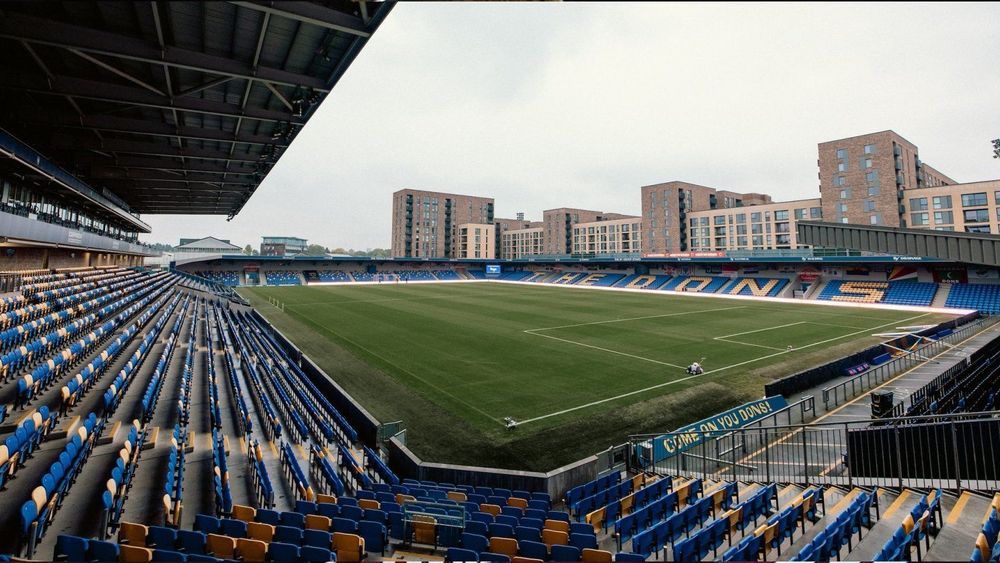
The proposed deal, fronted by former Chelsea and England defender Ryan Bertrand through Sloane Street Capital, had offered the League One club the prospect of substantial financial investment. However, the Dons Trust confirmed that the investment vehicle had withdrawn, citing a change in its investment priorities, reports The Sun.
The withdrawal immediately brought the supporter vote to an end and forced the cancellation of an extraordinary general meeting scheduled for November 10.
For a club built on the determination of its supporters, the development represents a significant setback. Wimbledon were re-established by fans following the original club's controversial relocation to Milton Keynes in 2002, eventually returning to a new home at Plough Lane.
The proposed investment had divided opinion among the supporter-owned club's membership, particularly over the extent of the control that would have been transferred to outside investors.
The financial circumstances made the decision especially difficult. Wimbledon have been reported to face debts of approximately £7.5 million and annual losses of around £2.4 million, leaving the club under pressure to find additional investment.
Supporters had been presented with an £87 million proposal involving an initial £16 million investment in return for a 34 per cent stake, with a further £71 million intended to be invested over five seasons.
The consortium included Bertrand, Stuart Fiertz, Oliver Ward and Hugh Rosen, with technology investor Omar Mir identified as the principal financial backer behind the proposal.
Questions had emerged among supporters about Mir's background, the source of the promised investment and the transparency surrounding the proposed arrangement. The concerns became particularly significant because the deal involved a club whose identity and ownership structure have always been closely tied to its supporters.
The collapse leaves those questions unresolved and places the immediate focus back on how Wimbledon can secure the financial backing needed to protect their future without compromising the principles on which the club was rebuilt.
There may still be an alternative route. Former Wimbledon player Robbie Earle had previously been associated with an American-backed consortium seeking a minority investment, although that proposal did not progress after the £87 million offer emerged.
The original investor group has indicated that it intends to continue operating as Sloane Street Football and seek fresh financial backing, with the intention of returning with a proposal on the same terms.
The Dons Trust has confirmed that any future investment proposal will be subject to full due diligence and another vote by members. It has also stressed that the club will continue operating normally while the supporter organisation and club boards work on the immediate financial position.
That reassurance will be important for a fanbase that has already experienced the consequences of losing control of its football club.
Wimbledon still need to address their financial difficulties, and the collapse of the proposal does not remove the pressure facing the boardroom. However, the immediate outcome is that the club's future remains in the hands of its supporters.
For those who rebuilt Wimbledon after the events of 2002, protecting that principle remains just as important as finding the money needed to keep the club moving forward.