Ferguson was the uncompromising teammate. Hoddle was the extraordinary talent coming through at Tottenham. Dalglish became a lifelong friend.
Asked about Ferguson, Conn immediately remembers the player rather than the manager who would go on to dominate English football with Manchester United.
“Fergie was good,” Conn told Football Presse. “He worked hard, he put himself about, he could score goals.
“But I think his forte came to the fore when he turned to management. He’s obviously one of the best managers ever, with his record.
“But as a footballer, he was a typical Scotsman. No nonsense. That was one thing — no nonsense about him. Get on with it. If you’re not doing it, you’re out.”
Conn was already an established Rangers player when Ferguson was his teammate, with both involved during Rangers’ European campaigns. Ferguson's subsequent managerial career would make him one of the defining figures in football, but Conn remembers the qualities that were already visible on the training ground.
“He worked hard, he put himself about, he could score goals.”
At Tottenham, Conn encountered a completely different footballer.
Glenn Hoddle was still coming through when Conn arrived at White Hart Lane in 1974, but he did not need long to recognise that the youngster possessed something extraordinary.
“Oh, incredible player,” Conn said.
“When I was there, he was just coming up through the reserves and whatever, and I finally got to play with him before I left.”
Then comes the assessment from someone who had seen plenty of outstanding players.
“Honestly, his talent — there was no limit to his talent.”
Conn's admiration goes beyond Hoddle's technical ability.
“Even now, I don’t know what his best foot was, his left foot or his right foot. Imagine — he was comfortable with the two of them.
“You could never say, ‘Oh, he’s a right-footed player’ or ‘he’s a left-footed player’. Absolutely brilliant. Tremendous footballer, and a lovely guy.”
That combination — extraordinary ability and a warm personality — is clearly what Conn remembers most.
“He’s just a lovely guy,” he added.
Hoddle's emergence coincided with Conn's own difficult spell at Tottenham. Injuries and managerial changes restricted Conn to 49 appearances for Spurs, but he was there long enough to watch Hoddle begin to establish himself. Tottenham's own records describe Conn as a cult figure whose performances in 1974-75 helped the club escape relegation, while Hoddle was emerging as one of the club's great talents.
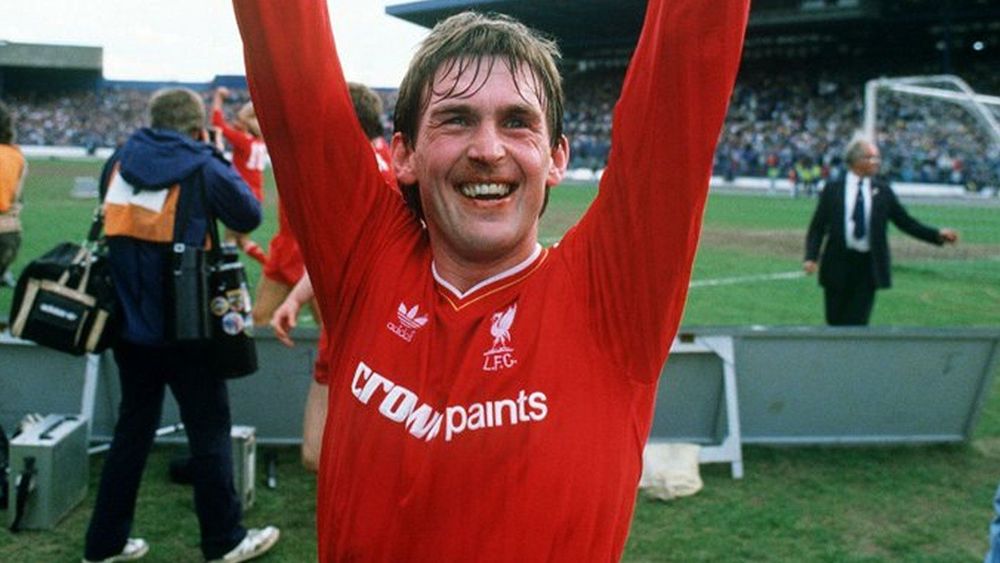
But perhaps the most touching relationship Conn recalls is with Kenny Dalglish. Their friendship began before either had become a household name.
“I played with Kenny in the Scottish professional youth,” Conn said.
The friendship continued when Conn underwent his first cartilage operation.
“When I got my first cartilage operation, I was in hospital and Kenny’s father-in-law owned a restaurant and pub just around the corner from the hospital.
“Kenny used to come in every day with hot food for me.”
That wasn't all.
“He brought me a TV and a transistor radio, and it used to be on every second day until I got out.”
For Conn, that was the beginning of a friendship that lasted for years.
“And the friendship continued from there. In fact, he was at my wedding, Kenny and Marina.”
Dalglish and Conn's careers then took them in different directions. Dalglish became a Liverpool icon before returning to Celtic as manager, while Conn moved between Tottenham, Celtic and clubs in the United States and Scotland.
But the affection remained.
“Kenny’s obviously doing Liverpool, I’m doing a thing with Tottenham. He just drifted apart. And then I met him a couple of times when he came back as Celtic manager.”
Conn's description of Dalglish is uncomplicated.
“Another lovely guy. And his wife Marina’s a lovely lassie.”
It is the sort of memory that says more about Dalglish than a list of trophies ever could.
There is also a wonderful symmetry to the story. Conn would eventually join Dalglish at Celtic, having crossed the Old Firm divide from Rangers, while Dalglish himself would leave Celtic for Liverpool in 1977. Conn had already been close to him before they became teammates at Parkhead. His move to Celtic that year caused enormous controversy, but playing alongside Dalglish was one of the pleasures of the new chapter.
Three great football careers. Three very different memories.
Ferguson was the hard-working, no-nonsense footballer who Conn believes revealed his greatest qualities in management.
Hoddle was the young genius whose talent appeared limitless.
And Dalglish was the friend who turned up at hospital with hot food, a television and a radio when Conn was injured.
For all the medals, goals and managerial achievements that followed, those are the details Conn remembers.
And perhaps that is the privilege of having shared a dressing room with great players: seeing them before history has decided what they will become.
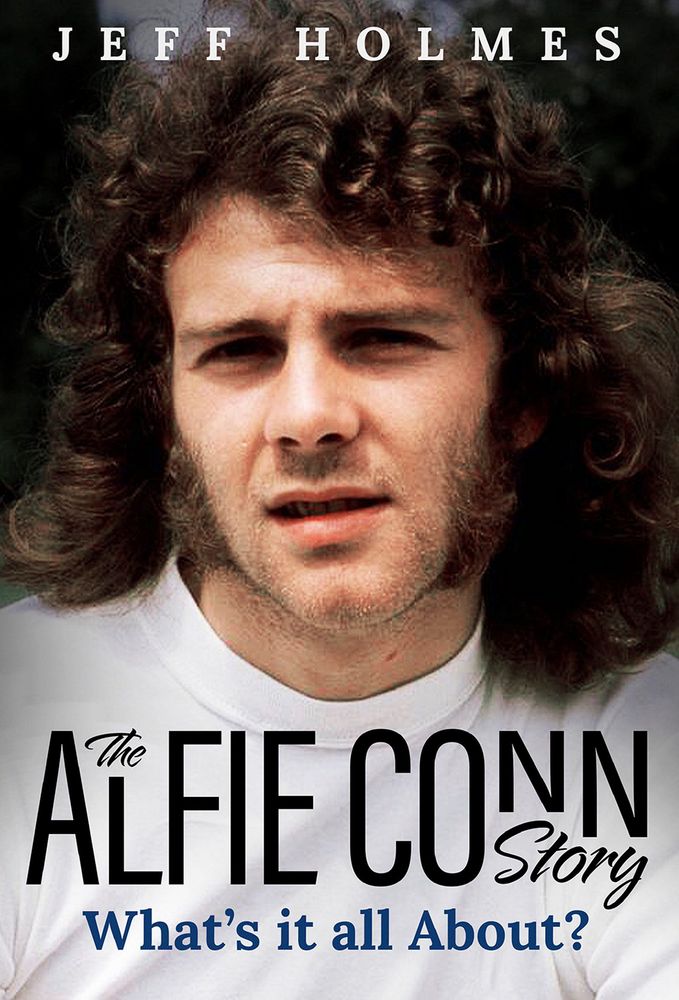
Alfie Conn's book "What's it all About? The Alfie Conn Story" is from Pitch Publishing - which is available here.