
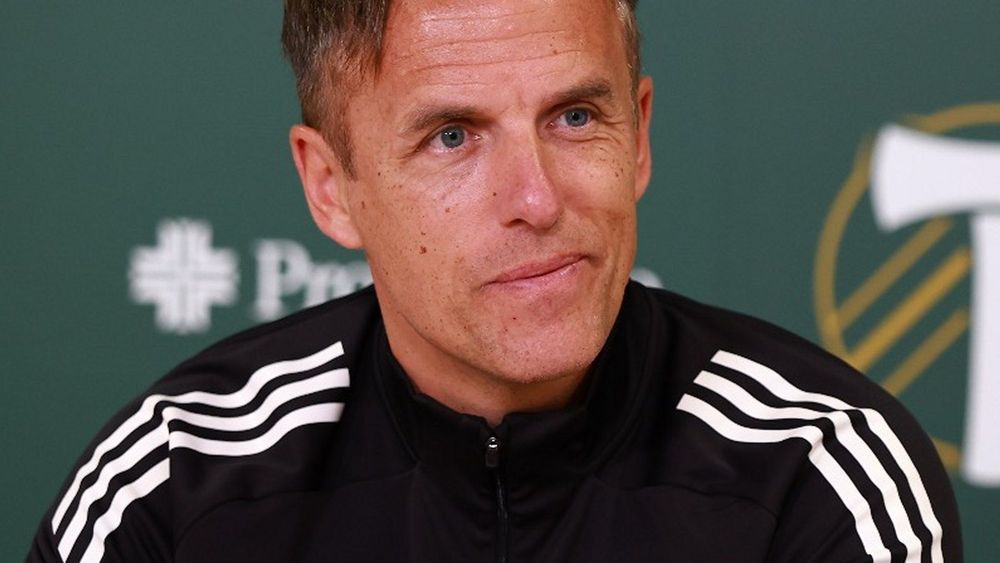
The former Manchester United defender was part of David Moyes' coaching staff when he returned to Old Trafford following Ferguson's retirement. Having experienced the club during its most successful period as a player, Neville was shocked by the change he witnessed behind the scenes.
Speaking to CBS Sports Golazo, he recalled an organisation that had lost its focus on football and allowed commercial considerations to influence recruitment.
"Sir Alex Ferguson left and I was part of the coaching staff with David Moyes. What I witnessed, having been part of the club during the years of glory and success, and then returning with David Moyes, was a completely different club," he said.
"I couldn't believe what I was seeing. The focus was no longer on the football pitch. The manager didn't have the final say and couldn't choose the signings. Transfers were based purely on the players' fame, how many followers they had and the sponsorship revenue they could generate. I was shocked. I hated it, I really did."
Neville believes the problems Moyes encountered during his 10 months in charge were not unique to that period. He argued that successive managers have faced the same structural difficulties, regardless of their individual approaches or reputations.
"What I experienced in those 10 months with David Moyes is no different from what José Mourinho, Louis van Gaal, Ruben Amorim, Ole Gunnar Solskjaer and now Michael Carrick are facing. The club needs to be organised from top to bottom!"
He also highlighted the simultaneous departure of Ferguson and chief executive Gill, arguing that their leadership had provided a clear chain of command.
"There was a manager in Sir Alex Ferguson and a CEO in David Gill, who was disciplined. The manager was disciplined and they ran the club. I know the Glazers were already there at the time – the fans had never been happier with the Glazers – but they ran the club from top to bottom. Whatever they said happened."
Neville believes that balance disappeared when the club appointed a new manager and chief executive in the aftermath of Ferguson's retirement.
"The following year, a new CEO, a new manager and, suddenly, it became a circus. A real circus where the manager lost control."
He pointed to Paris Saint-Germain, Brighton, Aston Villa and Arsenal as examples of clubs where the people in charge are aligned from the top of the organisation to the coaching staff.
"Who do we consider the best-run clubs in Europe and in the world? PSG, Brighton, Aston Villa, Arsenal. They are just a few where there is alignment from top to bottom. I don't think that happens at Manchester United."
Neville's comments come during another difficult period for United. The club had collected only seven points from their opening eight league matches and sat 16th in the table following a 3-0 defeat against Bournemouth. Michael Carrick's position had consequently come under scrutiny, although the club's hierarchy had given him an opportunity to turn results around.
For Neville, however, the problems run much deeper than the identity of the manager. Until the club establishes a coherent structure and restores footballing authority, he believes the same difficulties will continue to affect whoever occupies the dugout.