Eight years before the Hillsborough disaster claimed the lives of 97 Liverpool supporters, Tottenham Hotspur fans found themselves trapped in an almost identical crush at the same end of the same stadium.
It is one of the least remembered episodes in English football history.
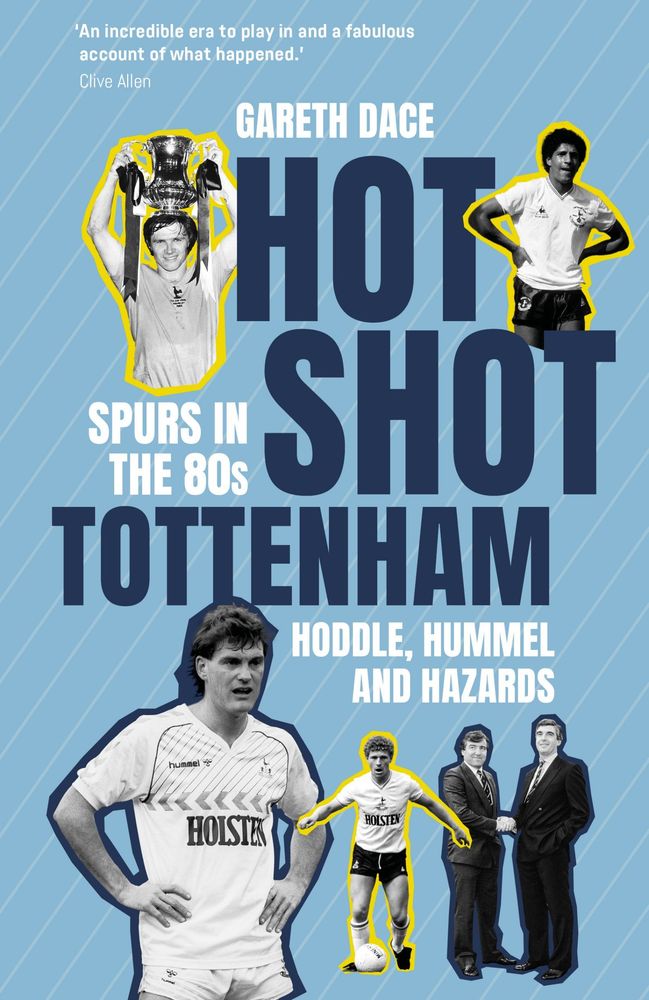
For Gareth Dace, whose latest book "Hot Shot Tottenham" chronicles Spurs throughout the 1980s, researching the events at Hillsborough during the 1981 FA Cup semi-final against Wolverhampton Wanderers became one of the most sobering parts of the project.
Far from being an isolated incident, Dace believes the warning signs that culminated in the tragedy of April 1989 had already been there for years.
"Against the backdrop of authorities really treating football fans incredibly badly, stadiums and the operation around match days sadly became, and I don't use the phrase lightly, quite literally a death trap," Dace told Football Presse.
"But the signs were all there to see."
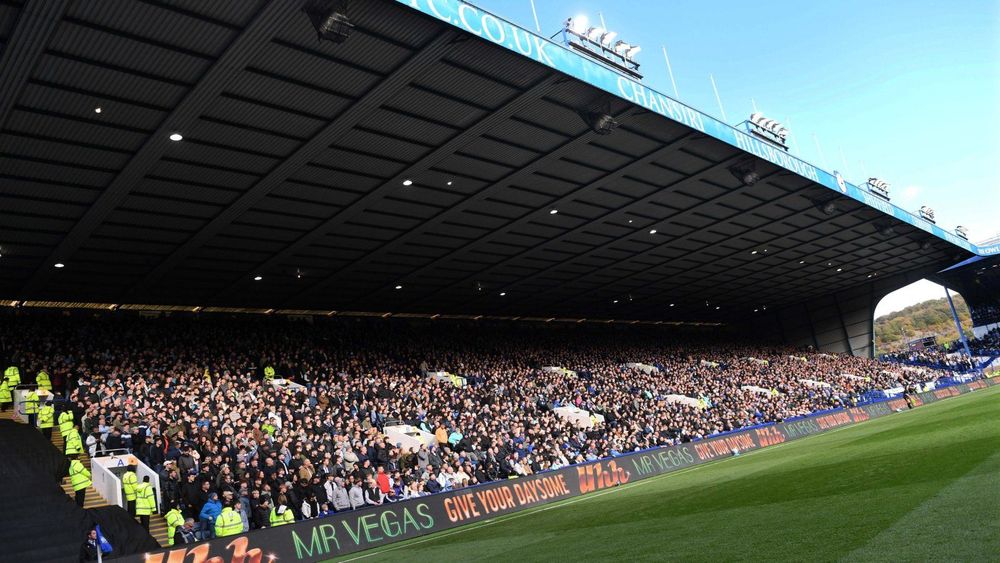
The semi-final between Tottenham and Wolves was played at Sheffield Wednesday's Hillsborough ground, with Spurs supporters occupying the Leppings Lane end that would become infamous eight years later.
Drawing on accounts from supporters who were there, Dace discovered scenes that remain deeply unsettling.
"By the mercy of God, nobody died that day," he said.
"But there were so many injuries."
The similarities with Hillsborough shocked him.
"Talking to people who were there, which I cover within the book, they really, really were fearing the worst."
"And all the scenes that tragically we then saw eight years later, you could see them almost exactly happening for Tottenham fans at the same end of the ground."
Supporters were forced to climb over perimeter fences to escape the crush.
Unlike 1989, however, one crucial intervention changed the outcome.
"Totally by luck, they managed to convince an off-duty police officer to open one of the gates, which cleared a bit of space in that central pen," Dace explained.
"And then crucially, that didn't happen eight years later."
For Dace, that distinction is impossible to ignore.
The infrastructure, the policing and the dangerous overcrowding were already exposing supporters to unacceptable risks years before football's worst stadium disaster.
Yet no meaningful lessons were learned.
"Nobody who needed to recognise that and learn the lessons from that did," he said.
The tragedy carries another poignant connection for Tottenham.
"Of the 97 Liverpool fans that lost their lives that day, one of them was actually a Tottenham fan who was there with his Liverpool-supporting friends," Dace revealed.
Researching the incident also altered Dace's own understanding of the 1980s.
Born in 1981, he relied on interviews with supporters who had experienced the decade first-hand rather than his own memories.
Those conversations repeatedly uncovered stories that had largely disappeared from football's collective memory.
"I think it's really interesting to have researched an era that I didn't live through myself," he said.
"You find these years like 1984, the euphoria of winning the UEFA Cup and the glory that goes with it."
"But writing retrospectively about a decade from 40 years ago definitely gives you that depth and perspective to view things from."
That perspective extends beyond trophies and league tables.
It also reveals how supporter safety was repeatedly overlooked during one of English football's darkest periods.
The Hillsborough disaster rightly transformed attitudes towards stadium safety, policing and the treatment of supporters.
Yet Dace's research suggests the evidence was already available years beforehand.
His interviews indicate that the terrifying crush experienced by Tottenham fans in 1981 was not an isolated warning but part of a wider pattern that football authorities failed to confront.
It is a forgotten chapter that deserves remembering—not to rewrite the history of Hillsborough, but to better understand it.
"The signs were all there to see," Dace said.
Looking back more than four decades later, that may be the most haunting conclusion of all.
Gareth Dace is author of "Hot Shot Tottenham: Spurs in the 80s – Hoddle, Hummel and Hazards" from Pitch Publishing - which is available here.