Gale was being pursued by West Ham United and Chelsea when Lyall showed him why he was so highly regarded as a manager — not by launching into a footballing sales pitch, but by speaking to Gale’s wife.
He told Football Presse, “He was just a man’s man when he came in. He was kind of talking to my wife and not me. Very, very clever, you know, very clever. ‘Of course, Tony would love to come to West Ham, wouldn’t he? What do you think we could do for Tony that other clubs couldn’t do?’
“He would talk to her like that, do you know what I mean? And of course, that’s winning your wife over, isn’t it? Because he’s so receptive. Most guys talk to you and I and forget that the wives are there, you know. But John was very clever and astute at that.”
Gale’s memory of Lyall goes well beyond the manager who built the West Ham side he would eventually join. He remembers a man who knew his players as people, understood their families and retained that personal connection long after they had left Upton Park.
“Very good, very big family man. He knew everything about everyone’s family. When I left the club, he wrote me a letter and he said to say regards to your dad, Peter, you know, if ever I need a taxi in London, I’ll be looking out for him. Just a little line, just so nice, so nice.”
That personal touch sat alongside a sophisticated understanding of football. Gale describes Lyall as a genuinely strong tactical manager, although he believes the West Ham teams of his era could have devoted more time to defending.
“But a real good tactical manager as well. Probably, as you finished your career, we could have worked more on our defensive play as well as our attacking play, because everything we did in training was geared to attack.
“How are we going to get at teams? How are we going to break teams down? How are we going to get around the back? How are we going to get through the middle? But hardly anything was, ‘How are we going to stop him? How are we going to stop him?’
“No, it was a great way to play.”
That attacking emphasis was not simply a product of the players available to Lyall. Gale believes it was embedded in the manager’s coaching philosophy, and he sees a direct connection between those training sessions at West Ham and what is still being done on Premier League pitches today.
“Yes, without a doubt. I think if you have a look at most of the Premier League coaching sessions, most of those coaching sessions John Lyall would devise. All that’s changed now is a cone has changed to a mannequin, you know, which you can run around.
“Obviously the balls are lighter and everything like that, but most of the training sessions and the training drills that you see on training pitches, I think, ‘I’ve done that. I’ve done that how many years ago?’”
For Gale, that is part of what made Lyall different. The methods may have looked simple by modern standards, but the principles were already there.
And Gale had another coach at Fulham who left a similar impression on him.
“John Lyall, Bobby Campbell, I was lucky with at Fulham as well. He was a great coach first, then manager, you know. Yeah, really lucky.”
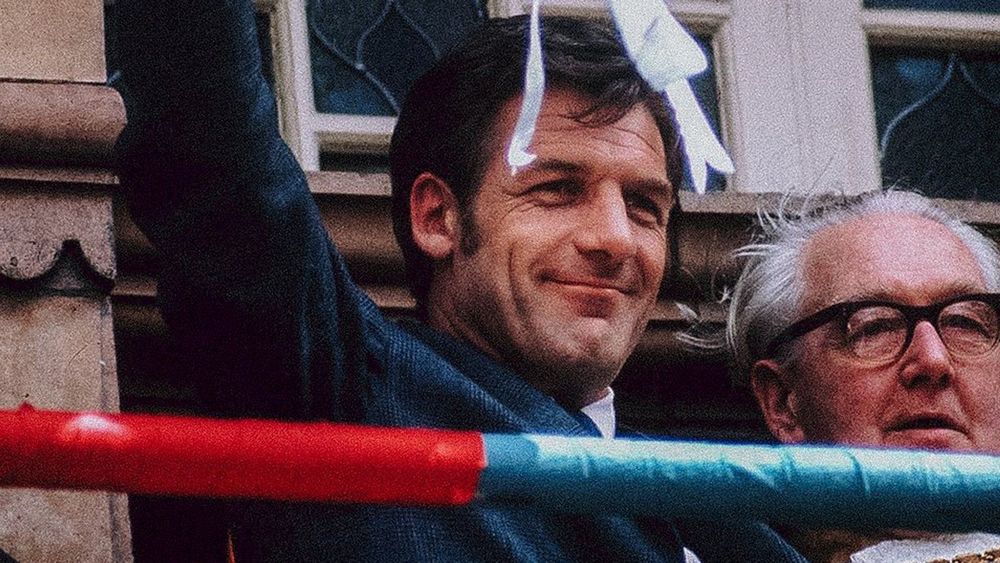
The significance of Lyall’s influence becomes clearer when Gale considers what happened after the manager’s 15-year reign ended in 1989. West Ham replaced a man who had become inseparable from the club’s identity with Lou Macari, and Gale believes there was another route available.
“I think that was a decision that the board made thinking, if we’re going to change, we might as well go the whole way rather than go and try and get the same type of manager as John Lyall and a younger one, which I thought would have been the better bet.
“Trevor Brooking had retired then, so Trevor was around. He maybe could have taken that over with Billy helping him and then keeping the two on together. That would have been the best way to go about it, I feel — Billy Bonds and Trevor Brooking straight away. And I don’t think John Lyall would have resented that.
“He maybe could have moved upstairs into a director of football role, which could have been created for him because he deserved it, and kind of mentored those two guys.”
Lyall’s importance to Gale was therefore not simply about winning matches or producing one great West Ham side. It was about the way he dealt with people, the way he coached and the way he understood the club.
West Ham’s official history records Lyall’s 15-year reign from 1974 to 1989, during which he won two FA Cups, reached two European Cup Winners’ Cup finals and led the club to its record third-place finish in 1985-86.
For Gale, though, the lasting memory is more personal.
The manager who persuaded him to choose West Ham over Chelsea did it by understanding that signing a footballer sometimes meant winning over the person standing beside him.
And decades later, Gale still remembers the little things.
“Very good, very big family man. He knew everything about everyone’s family.”
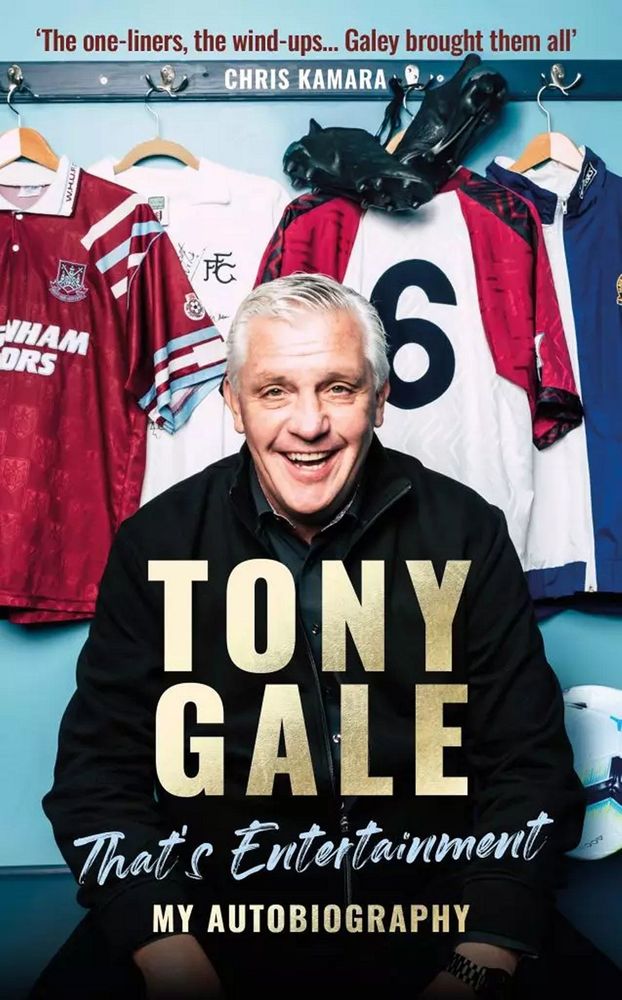
Tony Gale's book "That’s Entertainment" is from Reach Sport - which is available here.