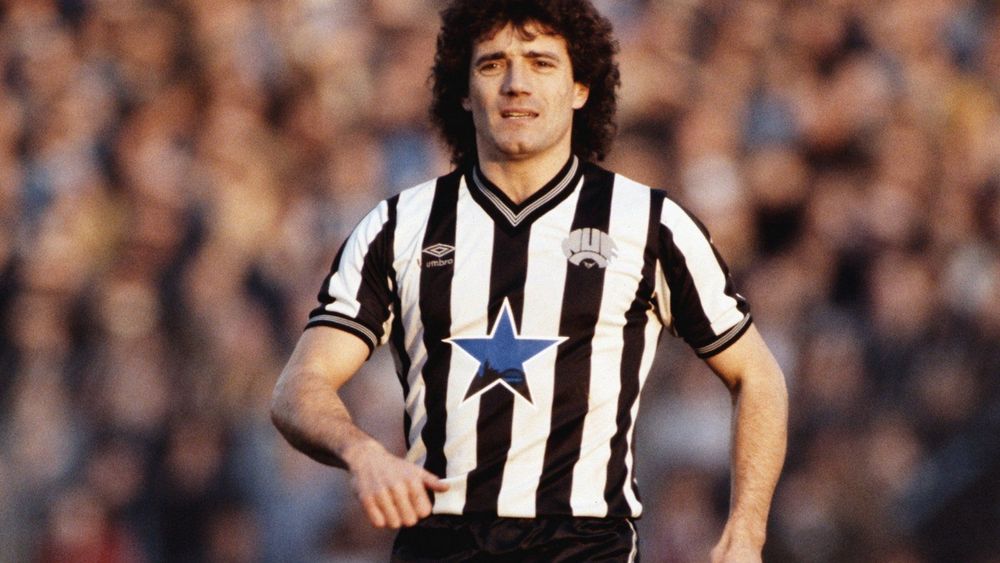
Two years later, he left having transformed the mood around St James’ Park. When he returned as manager in 1992, the impact was greater still, helping to change the fortunes of a club and a region.
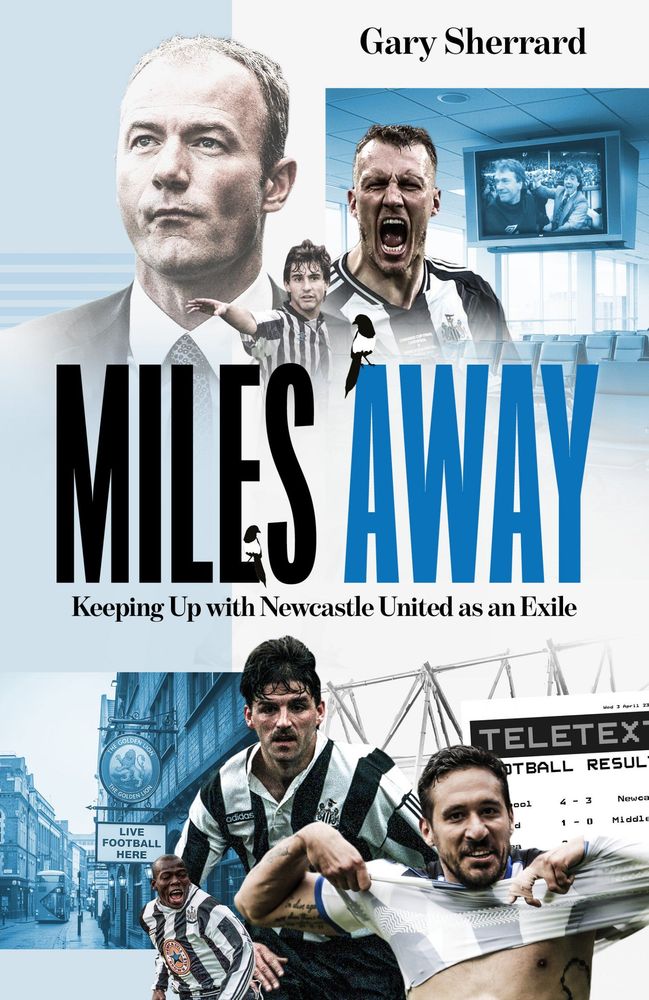
For Gary Sherrard, author of "The Wilderness Years" and "Miles Away", Keegan’s story is inseparable from his own experiences as a Newcastle supporter. His memories stretch from the disbelief surrounding the original signing to the emotion of Keegan’s departure and the remarkable revival that followed his return.
Sherrard told Football Presse: “Being cynical, probably why I went into journalism in the first place, but being cynical, I remember being on holiday somewhere in the UK, just family holiday, when Newcastle and Leeds were on the back page, could be signing Kevin Keegan.
“At that stage, he was a Southampton player. There was no inkling that he was leaving Southampton. Suddenly these stories came up, and I remember being with my dad and we were both thinking, it's a way of selling season tickets, isn't it?
“The board, who were not known for being dynamic at that stage, are they just putting the name in here, just mentioning some names? They'll sell some season tickets off the back of it. We'll welcome him as a Leeds player sometime next season.
“And then when it was announced, it was just pandemonium.”
Keegan was no ordinary signing. A former Liverpool and Hamburg star, he had twice been named European Footballer of the Year and was one of the biggest names in English football. Newcastle supporters who had become accustomed to disappointment suddenly had a world-class player wearing their colours.
Sherrard was 15 when Keegan made his Newcastle debut against Queens Park Rangers. The anticipation was extraordinary, with supporters queuing for hours to get inside the ground.
“We were queuing from 8, 9 o'clock in the morning for a 3 o'clock kickoff and made it into the kickoff with a few minutes to spare. Because once the pubs kicked out, the little 15-year, 16-year-old lads were pushed somewhere across the other side of the road and you eventually got in.
“But that, that day, no matter what happens in Newcastle's story or my story, that day, Kevin Keegan's debut will never be beaten.”
The emotional connection was already established. Keegan stayed for only two seasons, but his departure affected supporters who had watched him lift the club out of its doldrums. Sherrard still remembers being unable to bring himself to attend Keegan’s final league appearance.
“I did miss Keegan's last home game in the league, the game against Brighton. Newcastle won 3-1, Keegan's farewell. And it's probably because emotionally I couldn't take it.
“I was a pretty immature 17-year-old who just couldn't take that all that emotion in. And I remember just doing and then, no, I'm not really sure. I don't, don't want to be there.
“I made up for it by going to the Auf Wiedersehen, Kev game, which was on the following midweek, which was like a testimonial, a testimonial for a player who'd been there for 2 years.
“That showed the impact. And it was, it was like a celebration game. It wasn't a Keegan coffers kind of game. It was more for the club and the fans and just an absolute celebration of those 2 amazing years, considering what had happened in the 4 years before he'd arrived, just bobbing around in mid-table in the Second Division, as it was then, to having the England captain and double European Player of the Year in black and white stripes.”
Yet even that first spell could not match what happened when Keegan returned to manage Newcastle in 1992.
The North East was enduring the decline of industries that had sustained generations of families. Coal mining, shipbuilding and steelworking were disappearing, leaving communities facing difficult economic and social changes. Newcastle United was struggling too, and the prospect of relegation threatened to deepen the gloom.
Sherrard believes Keegan’s managerial appointment became a turning point far beyond the football club.
“To paint a picture of the Northeast, it was a pretty distressed place with the winding down of heavy industry. It's a coal mining, shipbuilding, steelworking region, and all of those industries were either in decline or dead.
“And for Kevin Keegan to come in, it gave everybody a boost, but I'd—I'm not sure it was quite as impactful as his return as a manager was definitely a regional boost.
“Everything changed in those early '90s years and mid-'90s years. It just seemed the feel-good factor actually made an impact in economy, business, regeneration, the city itself. It became—that was the start of Newcastle becoming a party central for people who'd never been to Newcastle before, started booking weekends in Newcastle.
“The restaurant pub trade just went mental in Newcastle at that stage, and the whole city, the whole region really did take off that second time around. John Hall's involved, and he was involved in the regeneration of the area with Metrocentre, and it all rolled into one really.
“And then the clubs start feeding off the region. And the region feeding off the club. So that was a very special time.”
Keegan took Newcastle from the brink of relegation to promotion, then built a team that challenged for the Premier League title in 1995-96. His attacking football made the Entertainers one of the most popular sides in the country, even though the title ultimately escaped them.
Sherrard does not suggest Keegan alone was responsible for the region’s transformation. The investment and regeneration associated with Hall, alongside wider changes in Newcastle, were also important. But he believes the manager helped ignite something that endured.
“I've lived away from it. It's amazing that a player, or at that time a manager, can do that. It speaks volumes for the man.
“There's obviously an awful lot of circumstances come together, but I would defend Kevin as the catalyst for that, and Newcastle United as the catalyst for that.”
That is the heart of Keegan’s legacy for Sherrard. Newcastle had famous players before him and has had icons since, but few figures have so dramatically altered the way supporters felt about their club and their city.
Keegan’s career was also marked by emotion: the farewell that Sherrard could barely face, the title challenge that captivated the country and the passionate public outbursts that revealed how personally he took football.
“He was a heart-on-the-sleeve kind of guy,” Sherrard says, reflecting on Keegan’s character. “That was what made him a great player. It also made him quite an emotional character off the pitch.”
Newcastle never won the Premier League under Keegan, but the memories remain vivid. His death has brought renewed attention to what he gave the club and its supporters: not simply two remarkable spells, but the belief that Newcastle could be something special.
For Sherrard, the feeling is captured in the memories of those queues, the farewell celebrations and the city coming alive during the Entertainers era. Keegan made supporters feel part of something bigger than a football team.
As he puts it, the impact was extraordinary: a player, and later a manager, who helped change the fortunes of an entire region.
Gary Sherrard is author of "Miles Away: Keeping Up with Newcastle United as an Exile" from Pitch Publishing - which is available here.