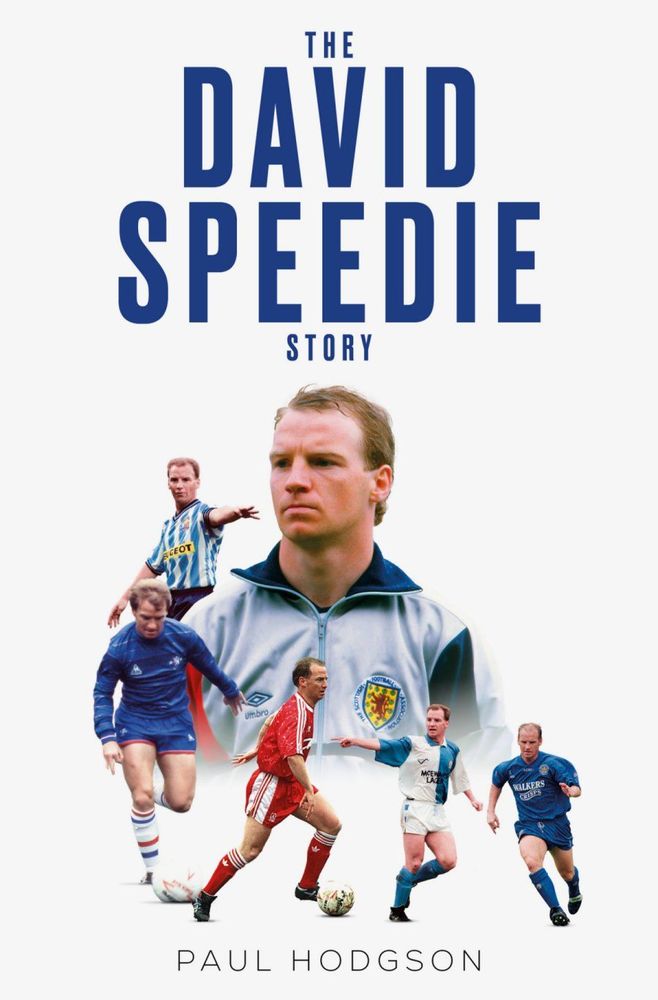
“I finally decided to tell my story… it’s been a colourful, colourful story,” Speedie told Football Presse, reflecting on a career that defied convention and expectation at almost every turn.
His beginnings were as gritty as they come, working in the mines before being spotted at Barnsley, where Leeds United legends Alan Clarke and Norman Hunter played key roles in shaping his path.
“It was the most horrendous thing you could ever imagine doing as a job,” he said of life in the pits, adding that Clarke once took senior players underground to show them “what it was like… to give them a reason to try a bit harder.”
That relentless edge defined Speedie’s rise, with Billy Elliott later transforming him from midfielder into striker.
“He spotted my ability in the air… said get up front and do some damage. And I did.”
A move to Chelsea followed, where Speedie became part of a famous attacking trio alongside Kerry Dixon and Pat Nevin, though it was not without friction.
“Because he’s lazy. I did all the running,” Speedie said bluntly of his early clashes with Dixon, before crediting manager John Neal for resolving tensions: “That’s when we became best of friends.”
Speedie credits former owner Ken Bates as pivotal to Chelsea’s evolution.
“He transformed the club. Chelsea is what it is today because of Ken Bates… brutally honest, not a lot of people liked him.”
His time at Coventry City remains the most cherished chapter of his career.
“Most enjoyable time of my career… great squad of players, great management, the supporters were amazing,” he said, praising John Sillett and George Curtis for their man-management: “They were brilliant at that.”
A dream move to Liverpool followed, where he made an immediate impact, scoring on his debut at Old Trafford and netting twice against Everton.
“I thought I was playing for the biggest club in the world… that was my aim from a child.”
Yet his Anfield stint was turbulent, shaped by managerial upheaval and strained relationships.
“I didn’t have time really… everything changed quickly,” he said, reflecting on a period that included Kenny Dalglish’s sudden departure.
Later spells at Blackburn, Southampton and West Ham added further chapters to a career defined by personality as much as performance.
“I just love playing football… great way of life,” he said.
Now, with The David Speedie Story released, the former striker has finally put his journey into words — a no-holds-barred account of a career that never followed the script, and never pretended to.
The David Speedie Story by David Speedie and Paul Hodgson is available now.