As chairman, he experienced the club's fall from the Premier League in 2002 and remembers the financial pressure, the loss of players and the need to rebuild almost from scratch.
So when Ipswich were relegated again last season, there was one obvious difference.
The club could afford to absorb it.
“For us it was a disaster. For this lot, it was a minor inconvenience. I mean, they still went out and bought lots of players.”
That single comparison perhaps says more about the transformation of Ipswich Town than anything else Sheepshanks has discussed during his five-part interview with Football Presse.
The lifelong Ipswich supporter, former chairman and former Football Association board member has watched the club move through radically different financial eras. During his time at Portman Road, every major decision could have consequences for the survival of the football club.
Today, under Gamechanger 20's ownership, Ipswich have resources that would have been almost unimaginable during Sheepshanks' tenure.
“Ipswich are very — I mean, they never were in my day. We had to scrape for every penny.”
That difference has been particularly apparent during Ipswich's remarkable rise and subsequent rebuilding.
Kieran McKenna guided the club from League One to the Premier League with consecutive promotions before Ipswich returned to the Championship after one season in the top flight. McKenna then stepped down after five years in charge, with Gary O'Neil appointed as his successor.
Yet rather than allowing relegation to destabilise the club, Ipswich regrouped and secured an immediate return to the Premier League.
Sheepshanks believes that achievement deserves considerable credit.
“Last season we still got promoted, which was an extraordinary feat really, because it's not just being relegated, it's the psychological damage that gets done when you come down.”
That psychological challenge is something he understands from personal experience.
“You know, there's a — it's a hard thing t o— it's a very big challenge for a manager and the coaches to turn a team around and get them facing front and forwards and upwards again when you've just been relegated. But they did.”
Sheepshanks also reserves praise for the people responsible for the modern rebuild.
“Hats off to Mark Ashton and Kieran McKenna and all those guys.”
Ashton, who remains chairman and chief executive, has overseen the club's transformation since joining in 2021. The ownership structure has also changed significantly, with Gamechanger 20 continuing to control Ipswich and its majority ownership now held through Portman Holdings LLC.
For Sheepshanks, however, the most visible evidence of the change is on the pitch.
“I can't believe we're buying the players left, right and centre for £24 million.”
The recruitment strategy itself has also broadened considerably.
“Recruitment, I think, Mark, as you know, the club are really, they're really hell-bent on recruiting better this time.”
Sheepshanks points to the international nature of the new squad as evidence of that approach.
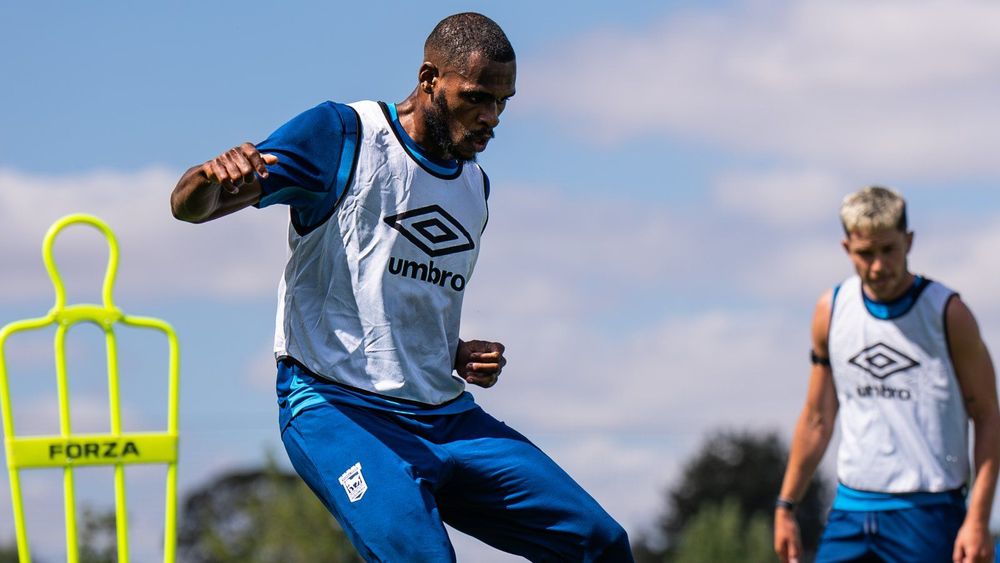
“We've signed a Brazilian striker and we've signed a Japanese striker and we've signed Issa Diop from Fulham and Moroccan, you know, huge chap.”
The Brazilian is Emersonn, while the Japanese arrival is Daizen Maeda, with Ipswich increasingly looking beyond the traditional English and British markets as they attempt to establish themselves at Premier League level.
It is a world away from the Ipswich Sheepshanks inherited.
His club had to sell Mauricio Taricco because the bank demanded a reduction in its overdraft. Kieran Dyer's eventual departure to Newcastle provided the money to rebuild George Burley's squad. Players such as Matt Holland, Marcus Stewart and Richard Wright became central figures in a side that eventually finished fifth in the Premier League.
But even that remarkable team operated with financial limitations that would be difficult to imagine at Portman Road today.
The difference means Sheepshanks can look at Ipswich's latest Premier League challenge with something approaching optimism.
He remains cautious, naturally.
“Hopefully, you know, we'll be a force to be reckoned with this season. At least, at least, at least hopefully 17th or better.”
There is a smile behind the words, but also a recognition that Ipswich have finally reached a position where survival is a target rather than an existential necessity.
For Sheepshanks, that may be the most significant change of all.
He spent years trying to make Ipswich competitive while protecting the club from financial danger. The modern ownership model gives the club something he could rarely afford during his own tenure: time to think beyond the next crisis.
Ipswich have already shown they can rise.
Now, with Gamechanger 20's financial backing, an established infrastructure and a new manager in O'Neil, the challenge is to turn that rise into something sustainable.
And for a lifelong supporter who has experienced almost every conceivable version of Ipswich Town, the prospect of simply being able to look forward is perhaps the most encouraging development of all.
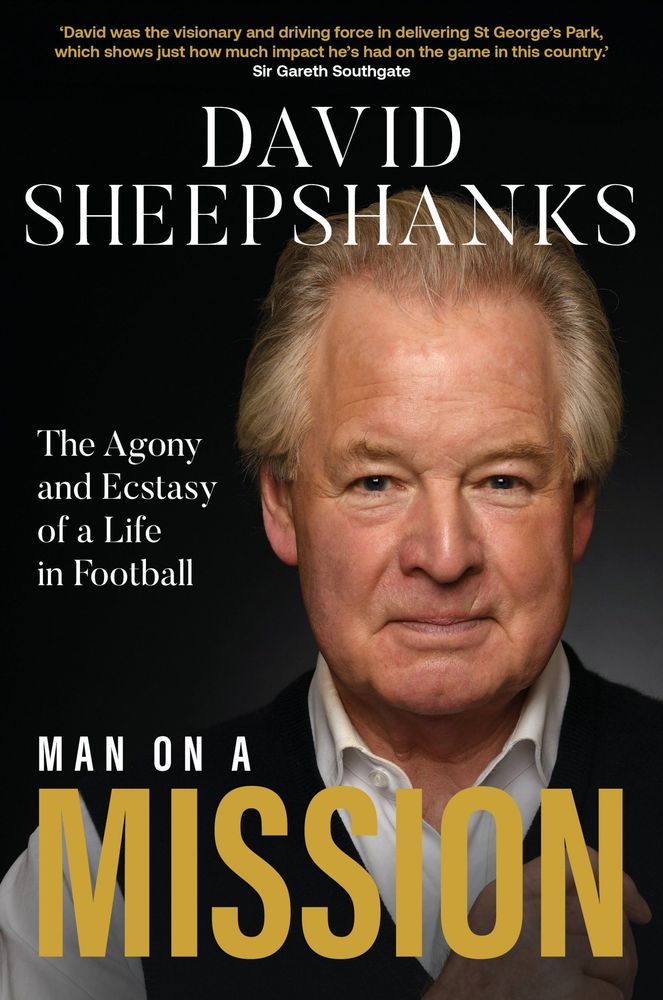
This concludes our 5-part series with David Sheepshanks as part of the promotion for his new book, 'Man on a Mission'. Available here.