What he did not know was just how personal the reaction would become.
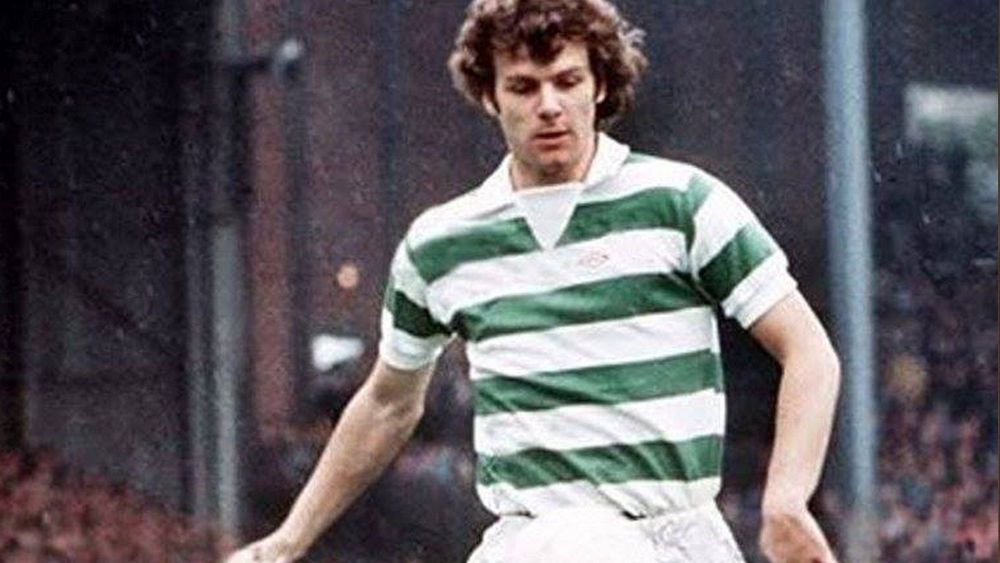
Conn had been a Rangers hero, a member of their 1972 European Cup Winners’ Cup-winning side and a scorer against Celtic in the 1973 Scottish Cup final. When Jock Stein signed him from Tottenham Hotspur in March 1977, Conn became the first post-war player to represent both Glasgow giants.
“I never really thought about it at the time,” Conn told Football Presse. “It was when I got back into Glasgow after signing with Celtic and the press was there and what have you.
“Then I sat down and thought about it and said, ‘I’m going to get real dog's abuse here.’”
He was right.
Conn's first return to Ibrox as a Celtic player came just weeks after the transfer. He hit the post during a 2-2 draw, but the match was remembered as much for the abuse directed at him as the football.
“It has,” Conn said. “I mean, it’s a bit quieter now, but one time, honestly, it was bad. The abuse was terrible.”
The extraordinary thing is that Conn had not crossed the divide because he wanted to provoke Rangers supporters. He had wanted to play for Jock Stein.
“Jock Stein signed me for Celtic, and if Jock Stein hadn’t been the Celtic manager, I don’t think I would have signed with Celtic,” Conn said.
“I wanted to play with Jock Stein. That was basically the whole story.
“Jock Stein was there. Jock Stein wanted me. He wanted to sign me.”
Conn's loyalty to Stein helps explain why he was willing to take on the consequences. But nothing could really prepare him for what followed away from the pitch. He remembers one night in particular.
Conn was out with his friend Willie Henderson, the former Rangers player, and their wives. They were attending a comedy show in Paisley and had a table reserved for eight, although only six had turned up.
“A young couple came in who were looking for a seat. The place was full, so we said, ‘Look, sit down next to us.’
“‘Are you sure?’ they said.
“‘Aye, not a problem. Sit down next to us.’”
The evening passed amicably.
“We got him a drink, he got us a drink back. So that just went on to the end of the night.”
Then came the moment Conn went to say goodbye.
“We got up to say cheerio. I put my hand out to shake hands and he turned round.
“‘Do you think I’m going to shake hands with you, you turncoat?’”
Conn still laughs at the absurdity of it.
“You’re kidding me. No, you know, but that was it.”
There were other occasions when the hostility was more intimidating. Around 10 years before the interview, Conn was at Ibrox for hospitality. Before the game he went outside for a cigarette.
“I’m standing there having a cigarette, and there’s thousands — I mean thousands — of people just before the game starts.”
Then he spotted one man making his way towards him.
“I went, ‘He’s either going to say something to me or throw a punch.’”
Conn tried to head him off.
“I went, ‘All right, mate, what are you doing here today?’”
The response was a line Conn has never forgotten.
“He went, ‘Sorry, I thought you’d have been hiding in the same cave as Bin Laden.’”
Conn's reaction was characteristically blunt.
“I went, ‘Bro...,’ you know what I mean?
“That was the type of stuff I had to endure.
“And we’re just talking football here. It’s a game of football.”
Conn's Celtic career was successful despite the hostility. He won the league and Scottish Cup in his first few months at the club, and Celtic supporters quickly accepted him. But he also received abuse from the other side.
“I was getting it from both sides,” Conn recalled of his Old Firm experiences.
Even when he played well, there could be suspicion. In his first Celtic match back at Ibrox, Conn struck the post with a curling effort from distance.
“One of the Celtic supporters said to me, ‘You meant to do that. Guaranteed you meant to hit the post. You didn’t want to score against Rangers.’
“You know, as I say, a lot of it is fun.
“But a lot of the time, years ago, it was really serious.”
That distinction is important to Conn.
The Old Firm rivalry could be funny, theatrical and tribal. But the hostility could also follow players away from the stadium and into ordinary life.
Conn still cannot quite believe the intensity.
“The Rangers and Celtic connection is unbelievable.”
Yet despite everything, he has never wished he had made a different decision.
“I can honestly say I have no regrets about anything I did in football,” he says.
And when asked why he signed for Celtic, his answer remains exactly the same.
“Jock Stein.”
For Conn, that was enough. The abuse was the price.
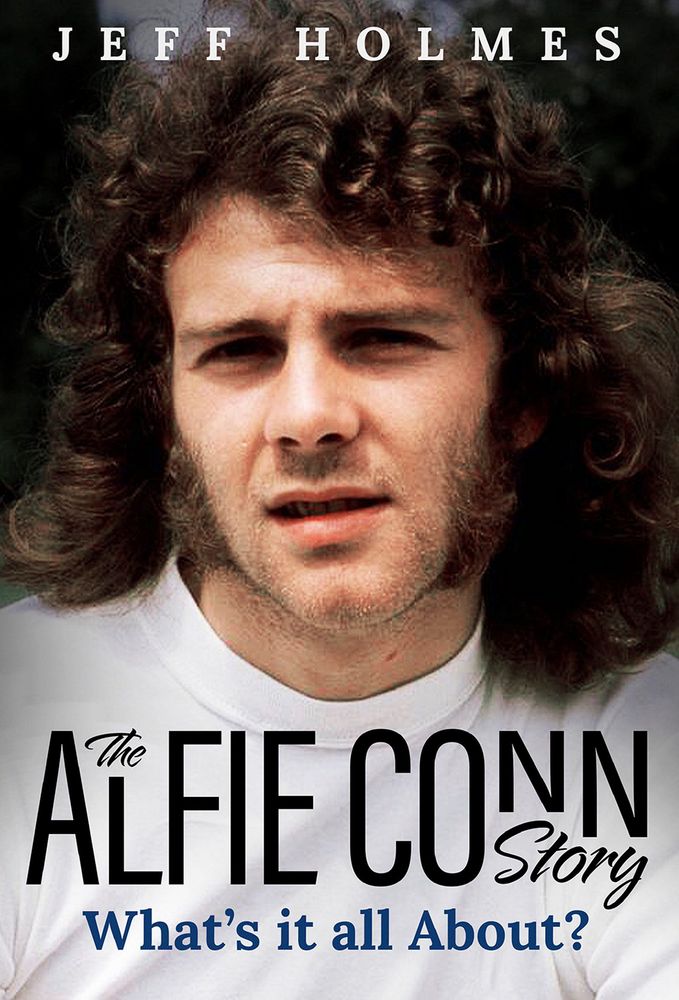
Alfie Conn's book "What's it all About? The Alfie Conn Story" is from Pitch Publishing - which is available here.