
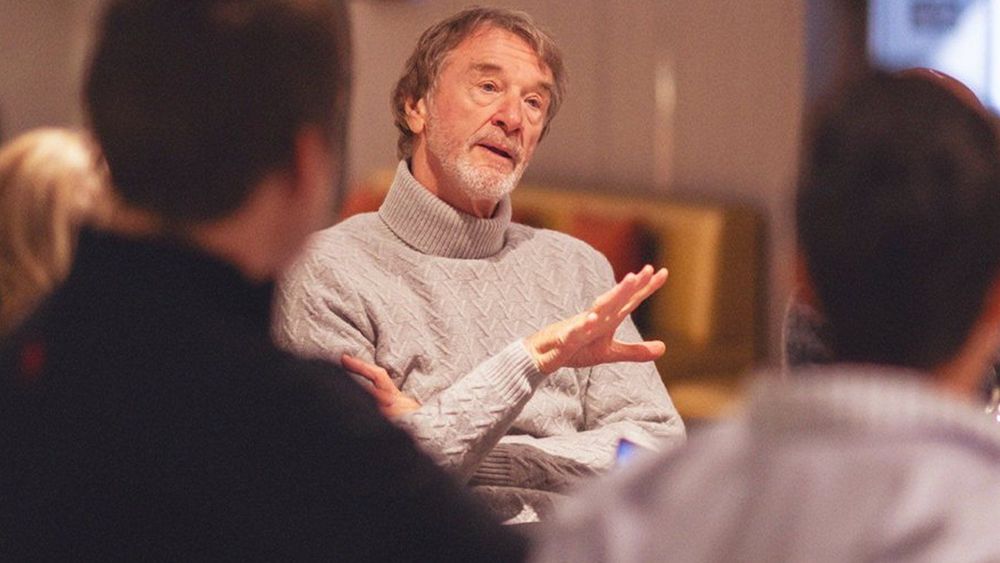
Manchester United’s struggles on the pitch have intensified scrutiny of the club’s ownership, with new criticism directed at the decisions made since Jim Ratcliffe and INEOS took charge of football operations.
United’s poor start to the Premier League season has revived questions about the direction of the club, while the Glazer family remain under pressure from supporters who have long demanded change. The American family have owned the club since 2005, but their involvement has been a persistent source of controversy.
The decline became more pronounced after Sir Alex Ferguson retired in 2013. Since then, United have won the Europa League, two FA Cups and two League Cups, alongside the Community Shield, but have struggled to maintain the consistency expected of one of English football’s most prominent clubs.
Joel and Avram Glazer have frequently been targets of fan anger. Their distance from day-to-day affairs has also become a talking point, with Joel reportedly not having attended a match at Old Trafford since a Champions League quarter-final against Barcelona in 2019.
He had previously been more involved in club matters and worked closely with former executive vice-chairman Ed Woodward. The family’s withdrawal from regular involvement has become more noticeable since Ratcliffe’s arrival as a minority investor in February 2024.
Ratcliffe and INEOS acquired a minority stake in United in a deal reported to be worth around €1.5 billion, gaining control of football operations while the Glazers retained majority ownership.
The arrangement was intended to bring a new approach to the sporting side of the club. However, the team’s current struggles and questions about recruitment have prompted doubts about whether the changes are delivering the intended results.
An unnamed source at United criticised Ratcliffe’s leadership in comments reported by ESPN.
“The fans were all singing about the Glazers, but I'm not sure they realize how bad Jim is. He couldn’t have orchestrated a worse situation. He's downgraded in all departments. It's basically the opposite of what he said his strategy is,” the source said.
The criticism reflects frustration with decisions made under the new structure, including appointments to important positions and substantial job cuts. Around 500 roles have reportedly been eliminated as part of efforts to reduce costs, while budgets for transfers and wages have also come under pressure.
Those measures have reportedly caused concern among Joel and Avram Glazer, who are said to view some of the changes as inconsistent with the club’s traditional values.
United’s financial position has become another focus of the debate. The club’s shares were trading at $20.61 at the close of business on the New York Stock Exchange on Friday, below the $33 per share paid by Ratcliffe when he invested almost three years earlier.
A falling share price does not by itself establish the full value of the club, but the decline provides another measure of the pressure surrounding United’s current direction.
The Glazers remain the majority shareholders, meaning Ratcliffe’s control over football operations does not remove their ultimate influence over the club. ESPN has also questioned why the family has not intervened more visibly as the situation has deteriorated.
For Ratcliffe, the challenge is to demonstrate that the changes introduced by INEOS can improve performances and restore stability. For the Glazers, the current crisis presents another test of an ownership model that has faced sustained criticism.
United’s results remain the most immediate concern, but the debate now extends beyond the manager and players. Recruitment, cost-cutting and the division of responsibility between the minority investor and majority owners have all become part of the wider argument over how the club should be run.