That alone tells you something about both men.
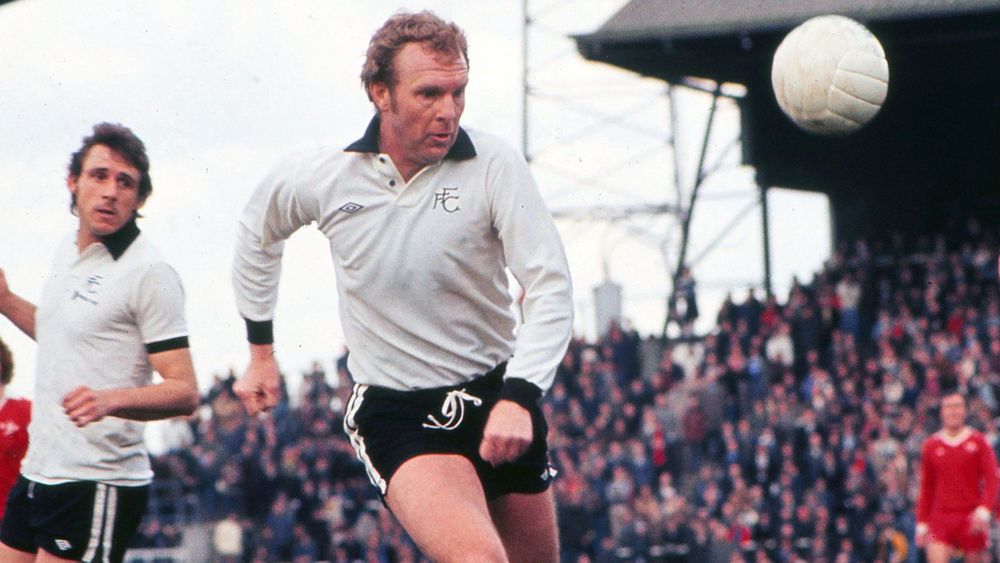
Moore was England’s World Cup-winning captain, a European trophy winner with West Ham United and already one of the most celebrated footballers in the country. Gale was a teenager coming through at Craven Cottage, learning his trade while sharing a dressing room with Moore, Rodney Marsh and George Best.
What Gale remembers most vividly, though, is not simply playing alongside Moore. It is being around him.
“They were mentors without knowing it," Gale recalled to Football Presse. "That’s how life was then. It wasn’t, ‘Oh look, study this, study that’ with them. You just had to be in there, in their company to learn. Look, look and learn.
“And Bobby Moore was footballing royalty. He was just footballing royalty.”
Fulham were already thinking about Gale’s future while Moore was still there. The teenager was being groomed to take over the sixth shirt, and that meant something rather extraordinary happened away from the training ground.
The club arranged for Gale to travel home with Moore.
“I realised after he’d gone what they were trying to do with me, because they were grooming me to take over from Bobby, the sixth shirt, defending, you know, alongside the centre-back. And they used to put me in the car with him because I was en route to his way home.”
For a young footballer, it was almost surreal.
“So I used to get in his car and, you can understand, Jacob, can’t you? I’m in a car, a yellow Jaguar, with England’s World Cup 1966 captain, and I’m 16, 17 years of age, and I was just dying to stop at traffic lights and people recognise him and see me alongside him.
“This is me alongside Bobby Moore.”
And Gale knew exactly how much his mates would enjoy seeing Moore arrive.
Moore would drive him towards his home on a council estate, and Gale would make sure the journey ended at just the right place.
“Bobby used to drop me off where I lived on a council estate. And outside that council estate, there was a street, Looper Street. So my friends who’d left school would all hang about there in the daytime, you know, if they hadn’t got any work or anything, they’d all meet up there and they’d just be sitting around.
“And I used to make him drop me there.”
The funny part was that the two men apparently barely spoke during the journey.
“And then as I got out the car after not speaking a word for 40 minutes, I’d go, ‘See you later, Bob, same time tomorrow.’
“And all they would do was, ‘Was that just Bobby Moore? Was that Bobby Moore dropping you off there?’
“‘Was that Bobby Moore?’
“‘Yeah, yeah, he drops me off every day.’
“He didn’t really, but never mind.”
Behind the joke, though, was a serious footballing education.
Gale was not being asked to replace an ordinary defender. He was being prepared to succeed the man he regards as the best footballing defender he ever saw.
And the influence came from simply watching Moore.
“You just had to be in there, in their company to learn. Look, look and learn.”
Gale's own description of Moore is telling because it is not simply about his ability.
“He was footballing royalty.”
That status was obvious to a teenager. Moore had captained England to the 1966 World Cup, and Gale still regards the achievement as the highest accolade available to an English footballer.
“Obviously England World Cup captain, the accolades don’t get any higher than that, lifting trophies for West Ham as well. European trophies.”
But Gale also remembers Moore as a man rather than simply an icon.
That is particularly clear when he talks about the older generation at Fulham and the way they treated the younger players.
“They were mentors without knowing it. That’s how life was then. It wasn’t, ‘Oh look, study this, study that’ with them. You just had to be in there, in their company to learn.”
For Gale, Moore, Marsh and Best provided an education that could not be replicated by a coaching manual.
They were simply there.
And then came the football.
Moore eventually moved on and Gale inherited the responsibility he had been prepared for. Fulham’s manager Bobby Campbell played an important role in that transition, giving the teenager his opportunity and allowing him to develop beyond simply filling Moore’s old position.
The move was not quite as straightforward as replacing one centre-back with another. Gale’s versatility became part of his education too. He could play at the back, but Campbell also recognised what he could offer further forward.
In Gale’s breakthrough season, he made 38 league appearances and scored eight goals, with Campbell using him in midfield in a 4-3-3 system as well as at the back.
It was the beginning of a career that would eventually take Gale to West Ham, Blackburn Rovers and a Premier League title. But before he became an established top-flight defender, he was a teenager trying to absorb everything around him.
And Moore was at the centre of that education.
Gale's admiration has never really diminished.
When asked about Moore decades later, he still comes back to the same phrase.
“Bobby Moore was footballing royalty. He was just footballing royalty.”
There is also a sense that Gale understood the privilege more fully with age.
At 16 or 17, he was simply thrilled to be in that yellow Jaguar.
He wanted people to see him sitting beside Bobby Moore.
He wanted his mates to know Bobby Moore was dropping him home.
But somewhere between those journeys, training sessions and Fulham matches, the education was taking place.
Gale was learning how a great defender thought, how a great player carried himself and what it meant to operate alongside footballers who had already reached the very top.
He did not need Moore to sit him down and explain it.
He just needed to watch.
And, years later, he understood exactly what Fulham had been doing.
“They were grooming me to take over from Bobby.”
For a young defender, there could hardly have been a more extraordinary apprenticeship.
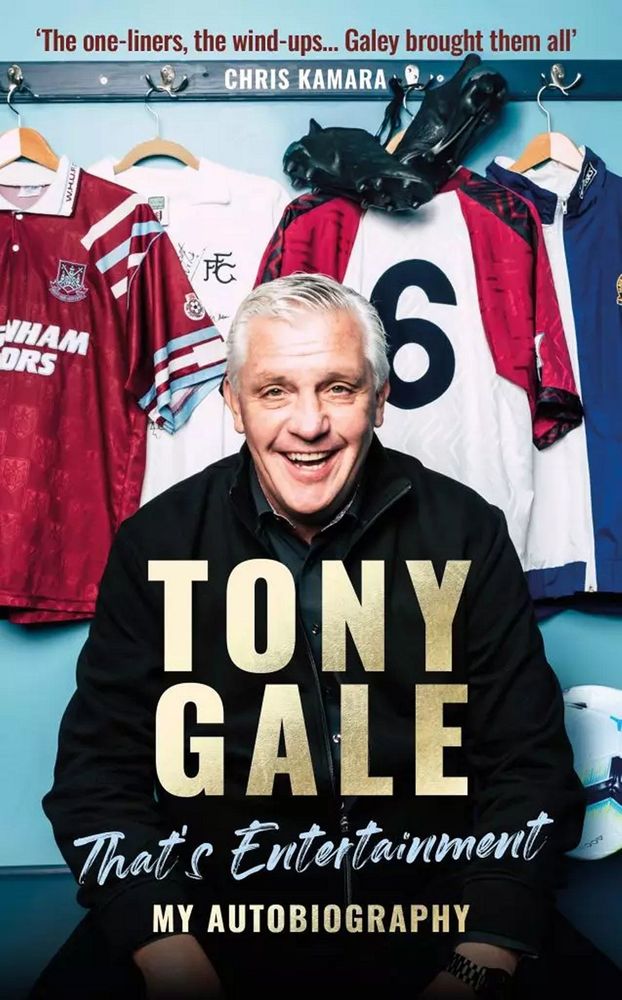
Tony Gale's book "That’s Entertainment" is from Reach Sport - which is available here.