
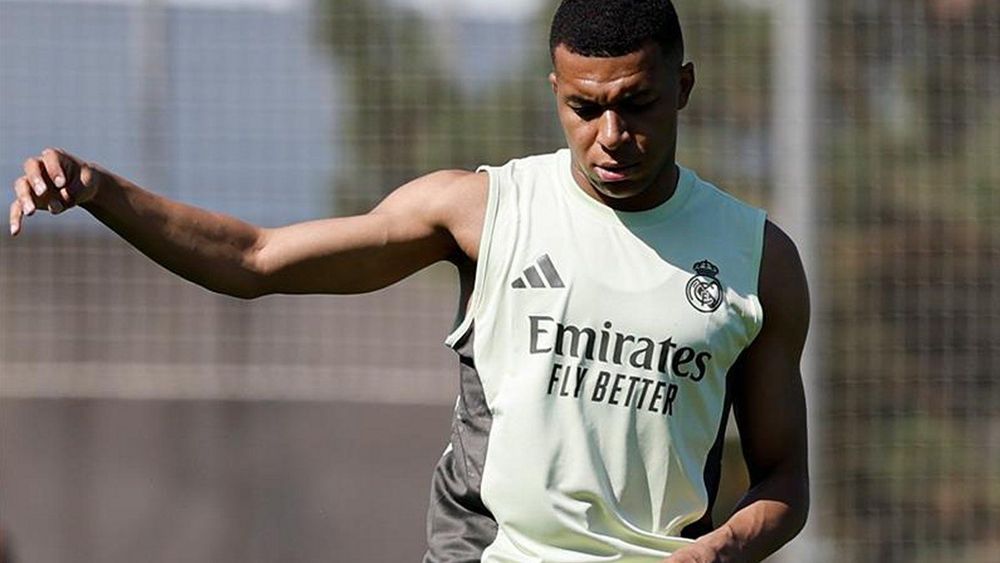
Chinese state broadcaster CCTV has suspended LaLiga coverage and removed advertisements and videos featuring the French forward, according to reports from China. The decision followed a backlash over a video in which Mbappé discussed his favourite internet memes.
Asked which one made him laugh most, he said: “The one where they use my face on a Chinese dictator. I use it a lot with my friends.”
Although Mbappé did not name Mao Zedong directly, the meme circulating online superimposed the footballer’s face onto an image of the former Chinese leader. The remarks caused particular offence in China, where satire involving Mao remains politically sensitive.
Mbappé subsequently apologised, acknowledging that his comment had been ill-judged and had hurt people in China and Chinese communities around the world. He said he had not intended to cause offence, expressed respect for the Chinese people and their history, and offered his sincere regret.
The apology came after several major Chinese companies ended their commercial relationships with the Real Madrid player. Beverage group Dongpeng and dairy businesses Mengniu and Milkground announced that they were terminating their partnerships, citing opposition to conduct that offends national sentiment.
The consequences extend beyond those individual deals. Mbappé had been a prominent face in Chinese advertising, with campaigns for Dongpeng’s Bu Shui La drink appearing on buses, billboards and in lifts. The platform RedNote has also said its previous collaboration with the player ended when the contract expired in December 2024, while it reviews and removes related content.
Tebas moves to protect LaLiga’s Chinese ties
LaLiga president Javier Tebas has sought to contain the fallout. After issuing an apology, he met China’s ambassador to Spain and outlined the league’s existing cooperation with Chinese football institutions, broadcasters and businesses.
Tebas stressed that LaLiga wanted to preserve its strategic relationship with China, including its agreement with the Chinese Professional Football League, which runs until 2029, and cooperation with China Media Group.
He said the league wanted to ensure that an individual incident did not damage years of progress or affect the millions of Chinese supporters who follow Spanish football.
The stakes for Real Madrid could also be significant. The club has a substantial following in China, where Mbappé’s image has been central to merchandise and promotional campaigns. Reports in Spanish media have suggested that Chinese consumers have begun calling for boycotts of official products bearing his name.
The precise financial consequences remain unclear. Claims that China accounts for between 10 and 15 per cent of Real Madrid’s international merchandise sales, and that Mbappé’s shirt is the club’s best-selling, have not been independently confirmed. Any effect on the club’s image-rights income or merchandise revenue will depend on how long the backlash lasts and whether companies maintain their decisions.
The broadcasting suspension also creates uncertainty for Spanish football more broadly. LaLiga’s television arrangements help fund distributions to clubs across the professional divisions, while audience figures form part of the calculation used to allocate broadcast revenue. A prolonged interruption could therefore reach beyond the player at the centre of the controversy.
Real Madrid’s response is another key question. While Mbappé and Tebas have apologised, Chinese football authorities have called for a formal apology from the club as well. The situation leaves Madrid balancing the commercial value of one of football’s most recognisable players against the importance of a major international market.