
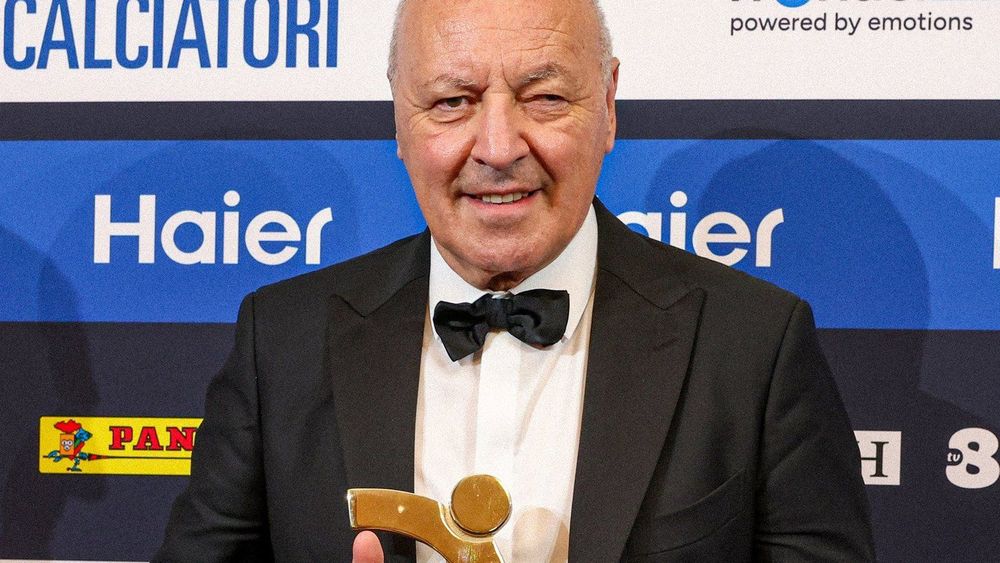
Speaking after the shareholders’ meeting approved the accounts for the 2025-26 season, Marotta described a period of financial consolidation alongside continued success on the pitch.
“During a season in which we won our third domestic double, the club experienced a period of financial consolidation off the field. The restructuring process accelerated further with the arrival of the new owners, Oaktree,” Marotta said.
“The financial statements confirm a significant strengthening of the club’s economic and financial position. Revenue once again exceeded €500 million, the financial year closed with a net profit, financial expenses were lower than in the previous accounts and, after a long time, equity returned to positive territory.”
Inter Milan’s official figures showed revenue of €518 million for 2025-26, the second-highest total in the club’s history. The club recorded a net profit of €22.7 million, marking a second consecutive profitable year, while shareholders approved the financial statements at their meeting on October 12.
The figures follow a record-breaking previous season, when Inter generated €567 million in revenue. That total was boosted by the club’s participation in the FIFA Club World Cup and its run to the Champions League final.
Marotta said Inter would continue to pursue financial sustainability without abandoning their sporting ambitions.
“Our commitment to balancing sustainability with sporting competitiveness will not stop. We believe we are on the right path.”
A major part of the club’s longer-term strategy is the development of a new stadium in Milan. Marotta said Inter would soon share the results of the design work, describing the proposed project as a new urban landmark that would be open to the wider community.
“Soon we will share with you the wonderful result of the design work for Milan’s new stadium, which will be a new urban icon and a renewed sports hub, alive and open to the public,” he said.
Marotta also highlighted the commercial importance of owning a stadium, arguing that the project could help Inter increase revenue and narrow the financial gap with Europe’s biggest clubs.
“This privately owned facility will also represent a strategic platform that will allow Inter to increase revenues and close the gap with the top European clubs.”
The stadium project forms part of a broader effort to strengthen Inter’s infrastructure and commercial reach. The club has also continued investing in its global brand and facilities, seeking to build a sustainable platform for future sporting success.
For Marotta, the latest financial results demonstrate that the club can pursue competitiveness while improving its balance sheet. The challenge now is to maintain that progress, translating a stronger financial position into continued success on the pitch while advancing plans for a new home in Milan.