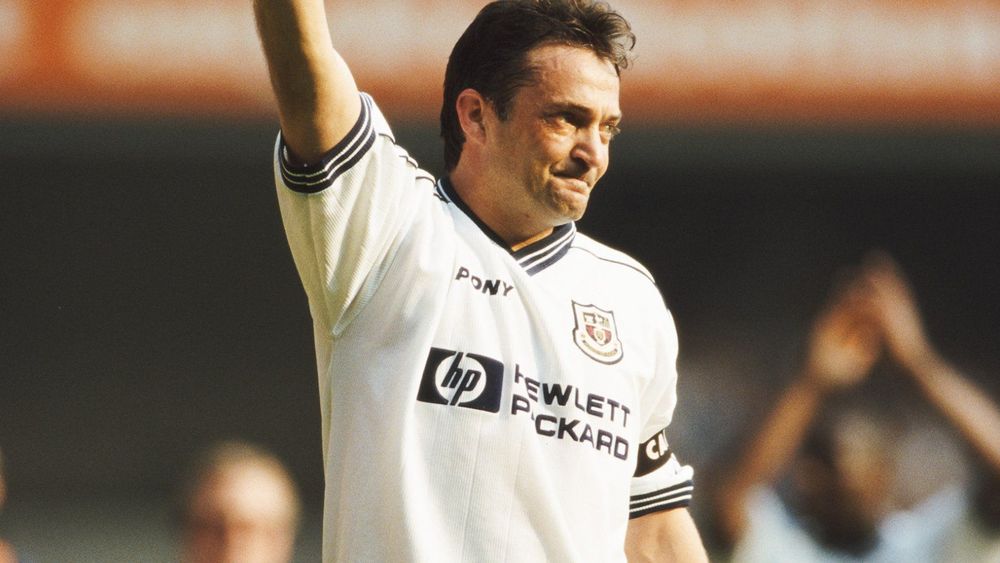
Diagnosed with Type 1 diabetes at the age of 17 while beginning his professional career at Bristol Rovers, Mabbutt went on to become one of Tottenham's greatest captains, making 611 appearances for the club and continuing to play despite the considerable risks to his health.
Harris wrote Mabbutt's autobiography, "Against All Odds", and remembers the experience as one of the most remarkable stories of his writing career.
Asked about Mabbutt and his impact at Tottenham, Harris began with an unequivocal assessment.
“I did. Well, his impact with Spurs was immense," Harris told Football Presse. "He was one of the great Tottenham captains. And what he went through in his private life with his illness would make a book. Well worth reading. One of the best books I've ever written.
“I mean, the things that he encountered and talked about was just extraordinary. And that's why we called it *Against All Odds*, because he should never have been playing football, certainly not as long as he had been. And the risks to his health were immense. And incredibly, he's still going strong.”
The diagnosis was known to the press during Mabbutt's playing career, including his time at Bristol and his appearances for England. But Harris believes the public never really understood what the illness meant for him personally.
“Yes, yes. I mean, everyone was aware of it, even when he was at Bristol and playing for England. It was pretty well reported, but no one really knew his personal traumas with the illness and how much it affected him.
“And it was an incredible — well, it is an incredible story. Loads of people suffer like him, and he's an ambassador for that particular illness and devotes a lot of his time and energy to raising funds for it and awareness to it.
“But I don't think people truly understand the risks an athlete takes to, particularly in such a stressful arena as football. Yeah. In playing certainly as long as he did with that particular illness and what happened to him as a consequence of it was just horrendous.”
Mabbutt's diabetes was not the only challenge he faced. As a defender, he was also involved in some of the most physically demanding encounters in English football. Asked about a description of Mabbutt as one of football's great gentlemen until an opponent faced him on the pitch, Harris recalled his toughness.
“He was a true warrior and if he didn't have enough troubles he even took on The Crazy Gang at Wimbledon and didn't come out too well, as we know.
“No, but yeah, you watched him, broken cheekbones, fractured skull, severe injuries without ever losing his composure.”
One of the most serious injuries came in the collision with Wimbledon forward John Fashanu. Harris's recollection of the damage was particularly striking.
“Well, it was incredible, but you know, we see players now with, you know, cheekbones and all this sort of stuff and wearing masks. That wasn't a cracked cheekbone he suffered. John Fashanu rearranged his entire face.”
Mabbutt's resilience was also tested by the emotional demands of his career. In the 1987 FA Cup final against Coventry City, he scored for Tottenham before putting through his own goal in extra time as Spurs lost 3-2. Harris was watching as a Tottenham supporter, but recognised that the defeat was particularly painful for the player.
“Well, it wasn't great for me, but it was pretty bad for him.
"Yeah, but you know, he is a very pragmatic character, but that really hurt him. Tottenham's first Wembley Cup Final defeat in the manner in which it occurred, particularly as they were such hot favourites. But everything seemed to go wrong in that Cup Final, including their shirts.”
Harris's reference to the shirts was no exaggeration. Tottenham had introduced a new Hummel kit for the final, but a dressing-room mix-up meant six players, including Mabbutt, ran out without the club's shirt sponsor, Holsten, on their shirts.
Unsponsored shirts intended for the youth team had mistakenly been included in the batch sent away for the FA Cup final embroidery. As alcohol advertising was prohibited on youth-team shirts, those shirts had no Holsten logo. The mistake was not discovered until the players removed their tracksuit tops shortly before kick-off. It became one of the most memorable kit blunders in FA Cup final history.
For Harris, Mabbutt's relationship with Tottenham supporters was rooted in something deeper than his performances or his achievements. Asked what had created such a long-lasting bond, he pointed to the defender's commitment and the risks he took to keep playing.
“Well, he's totally committed to Tottenham, but also because of the risks he took to continue that career.
“Whether they [the fans] knew before, I doubt it, unless you read this book. And I don't think very many people did because it's a long time ago that we published it. And time, a long time has passed. I doubt whether people realise or have any clue what this guy did and how much he achieved in his career irrespective of this enormous handicap.”
That is the central argument behind "Against All Odds". Mabbutt's commitment to Tottenham was not simply demonstrated by the years he spent at the club or the number of times he wore the shirt.
Harris believes the supporters may not have known the full extent of what he endured to continue his career, and that understanding it gives an even greater appreciation of what he achieved.
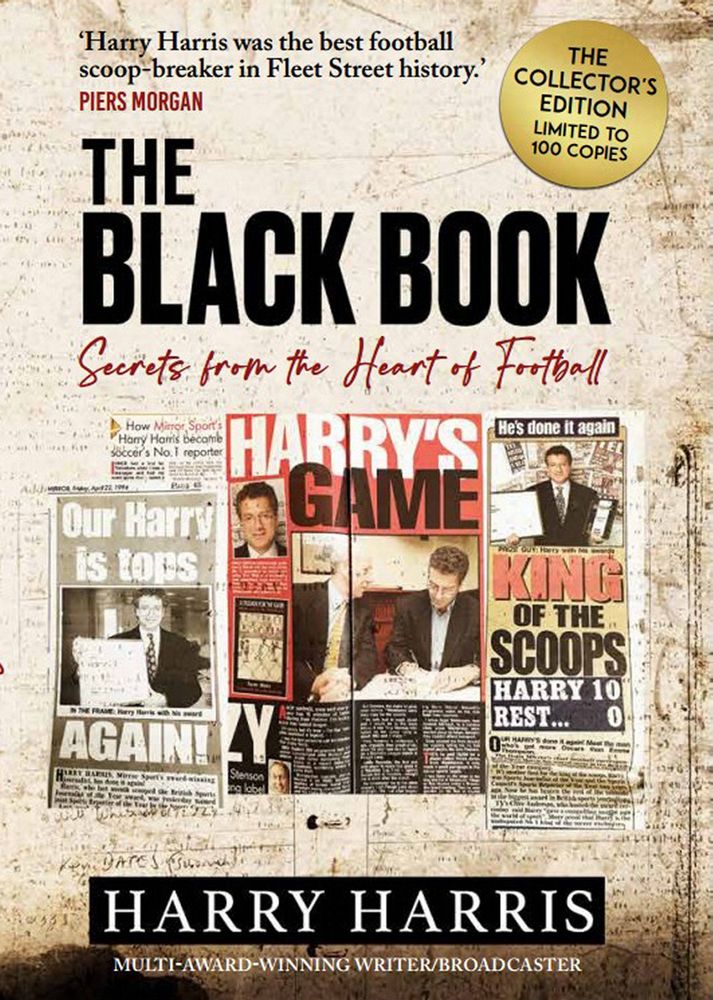
Harry Harris is author of "The Black Book: Secrets from the Heart of Football" from Legacy 11 Books - which is available here.