
The former Manchester United manager has revisited his turbulent spell at the club in an interview with The Athletic, criticising the sale of Scott McTominay and arguing that senior players were given too much power.
Ten Hag was dismissed in October 2024, only months after leading United to FA Cup success and signing a contract extension. He says he agreed to continue after discussions with the club's leadership in Ibiza, believing they would provide the backing and alignment he needed.
“I wouldn't go on with only one year left. So I said, ‘I need an extra year and we have to do it together’.
“They promised me loyalty, they promised me backing, they promised communication, that we get aligned. We spoke about the issues. But the promises, they didn't keep.”
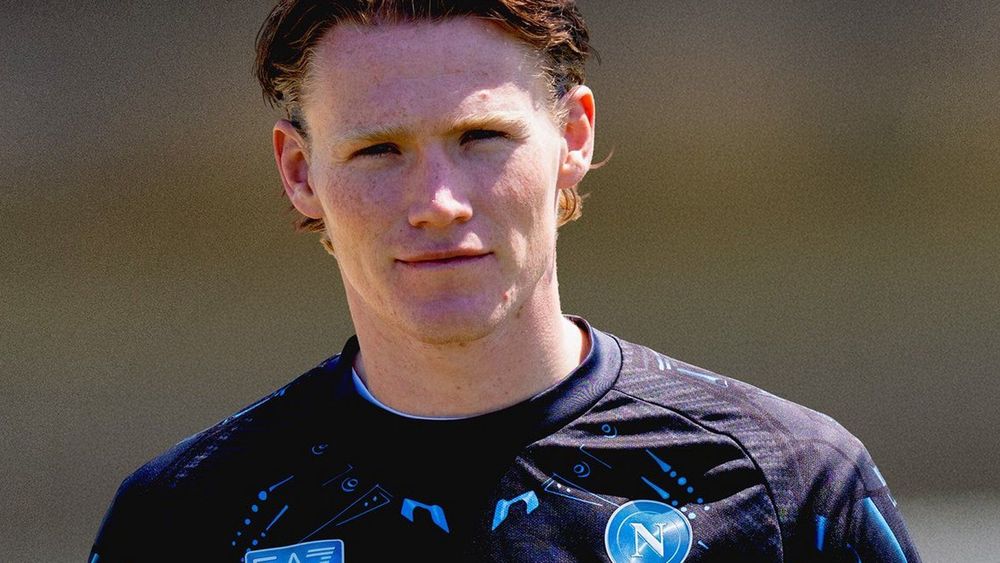
One of the biggest points of disagreement concerned McTominay, who left United for Napoli in the summer of 2024. Ten Hag says he had explicitly asked the club not to sell the midfielder, arguing that his goals and attitude were important to the squad.
“That's why I got disappointed. In Ibiza, we agreed. I said, ‘No selling Scott McTominay’. We would go aligned in the transfer window.
“I make an argument, a reason: we don't have scoring abilities. Scott brings scoring abilities and great mentality. He has United in all his veins. So when they bring up the subject, ‘No’. And in the end they sold him. I got, of course, very embarrassed and disappointed.”
McTominay went on to become a major figure at Napoli, helping the Italian side win the Serie A title in his first season. Manchester United used the proceeds from his transfer to sign Manuel Ugarte, but the Uruguayan has struggled to establish himself as a regular.
Ten Hag's criticism extends beyond recruitment. He believes the club undermined his attempts to enforce standards and discipline, pointing to his disputes with Cristiano Ronaldo, Jadon Sancho and Marcus Rashford.
“And so, they are continuing the toxic culture; they fuel it, they give the power to the players,” he told The Athletic.
On Rashford, Ten Hag acknowledged the forward's ability but said standards still had to be enforced.
“Rashford is an amazing player, if his mindset is right. I always showed my trust in him, played him. But when you show these standards, sometimes you have to make corrections.”
His most public confrontation came with Ronaldo, whose relationship with the manager collapsed in 2022 before his Manchester United contract was terminated. Ten Hag argued that players had a responsibility to put the team first.
“Players have to act, they have a big responsibility. Football is, for some, not the highest priority. And United for some wasn’t the highest priority.”
He also suggested the arrival of several players with Real Madrid connections contributed to an imbalance of power within the dressing room.
“I can say I think that’s what the Madrid connection brought in, that players are powerful and they want to decide. In my opinion it didn’t suit the phase United was in. The leadership wanted attacking, dynamic football and these players wanted to play what fitted themselves.”
Ten Hag's comments come amid renewed debate about United's recruitment and leadership, following defender Lisandro Martínez's public criticism of the club's summer transfer strategy. Martínez questioned whether enough had been done to strengthen the squad and called for greater ambition from those above the manager.
United have faced repeated questions about the balance between managerial authority and player influence since Sir Alex Ferguson's departure in 2013. Ten Hag's account adds another perspective to that long-running discussion, with the Dutchman arguing that his efforts to establish standards were not consistently supported by the club's hierarchy.