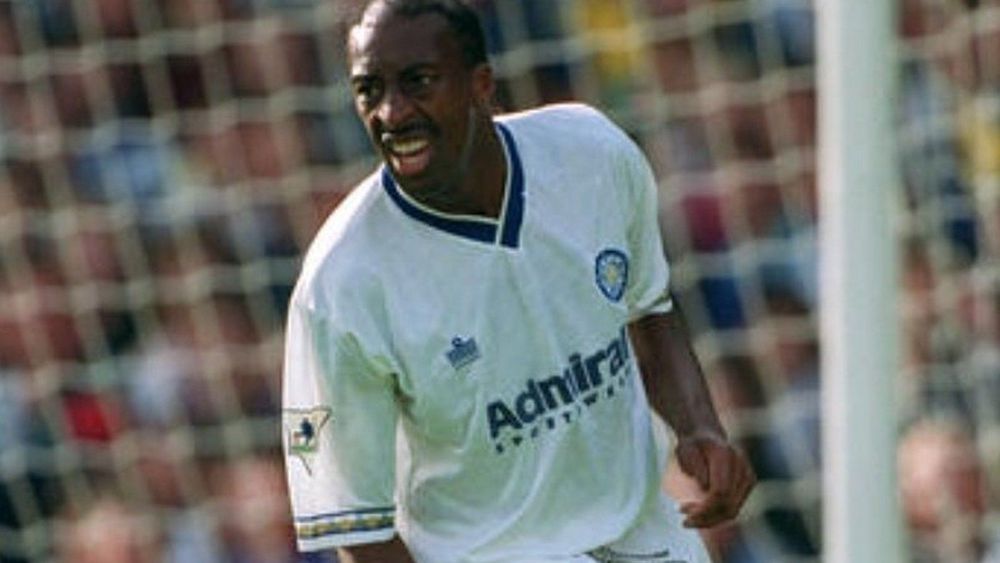
Chris Whyte was not the most fashionable member of Howard Wilkinson's Leeds United team.
There was Gordon Strachan's energy, David Batty's intelligence, Gary Speed's athleticism and Lee Chapman's goals. Yet, according to Rocco Dean, Whyte was one of the foundations on which the championship was built.
"He was absolutely vital," Dean told Football Presse. "I don't think Leeds win the league without Chris Whyte. People remember the midfield and they remember Chapman, but Whyte was integral to that team."
Whyte arrived at Leeds in June 1990 from West Bromwich Albion for around £450,000. By then he had already experienced a remarkable career, having come through Arsenal's youth system, made more than 100 first-team appearances at Highbury, represented England Under-21s and won the European Under-21 Championship. After falling out of favour at Arsenal, he had spent two years playing indoor football in the United States before rebuilding his career at West Bromwich Albion.
Dean believes that unusual route was part of what made Whyte such an interesting footballer.
"He'd played for Arsenal, he'd played for England Under-21s, then he went to America and played indoor soccer, which is just a completely different experience. He came back through West Brom and earned his way back into the top flight. He wasn't some young kid coming through who was going to be a star. He'd already had to fight for his career."
At Leeds, Whyte formed a formidable partnership with Chris Fairclough. Their styles complemented each other, giving Wilkinson a dependable central defensive pairing during the club's rise from promotion contenders to champions.
Whyte was also more comfortable with the ball than his reputation suggested.
"He was a gangly sort of defender, but he was silky," Dean said. "He didn't just hoof the ball every time he got it. He could sidestep people, he could bring the ball out, and he had a bit of composure about him. He used to do it all the time. It was a bit of a party trick, really, but in 1992 it felt quite impressive."
That technical ability mattered because Leeds' football was direct without being primitive. Whyte could defend, compete physically and move the ball forward without immediately surrendering possession.
He was also a significant presence at set pieces. Leeds were exceptionally dangerous from dead-ball situations during the title-winning season, with Whyte contributing at both ends of the pitch.
"Leeds were the kings of set pieces that year," Dean said. "Chris Whyte was a big part of that. He was important in the box, whether it was attacking corners or defending them. He gave you that presence."
The following season exposed just how much the team had relied on its defensive organisation.
Leeds went from conceding 37 league goals in 1991-92 to conceding 62 in their first Premier League campaign. They also went from being one of the strongest teams at set pieces to becoming remarkably vulnerable in those situations.
"We went from the best team at set pieces to the worst," Dean said. "That was just stark and unexplainable. Whyte and Fairclough were part of a defence that suddenly didn't look anything like the defence that had won the league."
Whyte still played 34 league matches in 1992-93, but the team around him had changed. John Lukic endured a difficult campaign, Tony Dorigo was frequently asked to cover problems elsewhere and Leeds' inability to defend consistently turned matches into struggles.
The contrast made Whyte's contribution to the previous season even clearer.
"You look back at that title-winning team and he doesn't always get mentioned with the others," Dean said. "But he was one of the reasons they were so difficult to beat. He was reliable, he read the game well and he did the things that defenders often don't get credit for because they aren't spectacular."
Whyte left Leeds for Birmingham City in 1993 and helped them win the Second Division title in 1994-95. He later played for Coventry City, Charlton Athletic, Leyton Orient, Oxford United and Rushden & Diamonds, before finishing his playing career in the United States and Finland.
For Dean, though, his most important work had already been done at Elland Road.
"He's one of those players where you look at the team now and people talk about the obvious names, but without him, they don't win that title. He was absolutely integral. I think he deserves far more recognition than he gets."
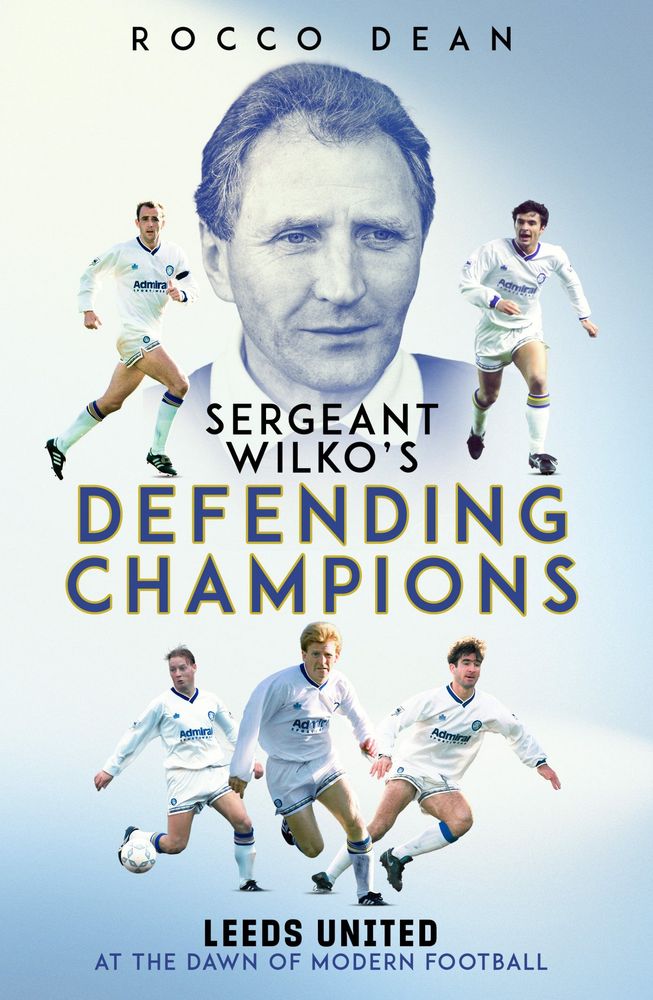
Rocco Dean's book "Sgt Wilko's defending champions" is from Pitch Publishing - which is available here.