
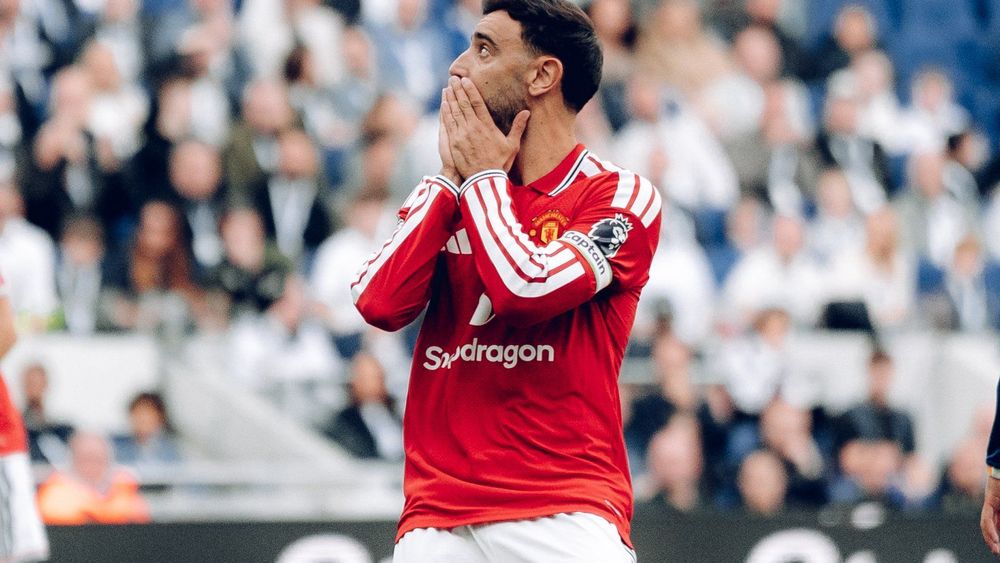
He questions whether enough of the players possess the quality to represent United, while insisting that even a performer of Bruno Fernandes' calibre cannot be expected to carry the club alone.
Simões is particularly critical of the tendency to place too much responsibility on managers when results deteriorate. He believes the players, rather than their coaches, ultimately determine what happens on the pitch, and questions whether some of United's squad are capable of living up to the club's history.
He told Football Presse, "When the people look to Manchester United's players, well, do they have the quality enough to make history or to respond to the history of Manchester United in football? That is the big question I have.
"I see Manchester United play many times, and I see many players that have no class, no quality to play for Manchester United."
For Simões, the distinction between coaching a team and possessing the natural ability to become a great footballer is fundamental. He does not dismiss the importance of managers, but believes their influence is frequently exaggerated when assessing a team's success.
"Coaches are important, yes, of course, but can a coach make players? No, it's not true. Who makes the players? It's God that gives them the gift to play the game at their best.
"Every single team, every single club needs a coach, yes. But the coaches, maybe they have 20 per cent of the merit for success. The players are the ones that play, are the ones that make the decisions.
"Never can a coach say to a player, 'Listen, don't forget, make a cross in the first 27 minutes.' It is ridiculous. That is really bad. Coaches are important, but the players are always more important."
It is an argument that Simões believes is particularly relevant when examining the expectations placed on Manchester United's managers. The club's reputation brings enormous pressure, but he questions whether the playing personnel have consistently demonstrated the ability to meet those demands.
He also invokes two figures who represent the standards United once set, Bobby Charlton and Sir Alex Ferguson. Simões challenges the suggestion that a manager can create the natural ability that separates exceptional players from the rest.
"Just as an example, because we're talking about Manchester United and Bobby Charlton. Do you think that Ferguson made those two guys? For sure, was it Ferguson that taught those two guys to play the game? No."
Simões believes natural talent remains the defining ingredient, regardless of how sophisticated modern coaching has become.
"More than that, and today more than in the past, it's the talent. If you have the talent, then you can play in a big club. Soccer, it's an art in movement, and nobody can teach that. It's God that gives you the gift to play the game that way."
His assessment of Fernandes offers an interesting contrast. While Simões questions whether enough players in the United squad have the necessary class, he is considerably more complimentary about the Portuguese midfielder, recognising the contribution and professionalism that have made him such an important figure at Old Trafford.
"First, I think he did very well for Manchester United. I think he's a good professional, and the majority of times he plays well. I have no questions about that."
Fernandes has continued to be one of United's most influential players, but his future is now uncertain after rejecting a second contract proposal. The club wants to retain its captain, although negotiations have yet to produce an agreement.
Simões recognises that a player approaching the latter stages of his career must consider the financial opportunities available to him. He does not suggest Fernandes owes United an indefinite commitment, particularly given what he has already contributed.
"Probably he's going to face the opportunity to make a lot of money. I think he did very well for Manchester United. It's likely he looks at Manchester United and says, 'I'm done. Now it's time for me to leave.'
"Probably he thinks that way, and he can refuse the temptation of a lot of money that he can make for the last two or three years."
However, Simões is equally clear that Fernandes still possesses the ability to make a difference if he decides to remain at Old Trafford.
"But if he decides to stay, I believe that he's still got the quality to help Manchester United. It's his decision, and we have to respect that."
There is a wider message in Simões' assessment, one that extends beyond the future of an individual player or the identity of the next Manchester United manager. He believes leadership in football requires considerably more than tactical instruction, and that coaches must take responsibility for developing people as well as footballers.
Citing Ferguson, Simões adds: "More than just talking about the game, he talked about life, because playing soccer, it's life. And to be a leader, it's more than to be a coach.
"The coach today has to be a teacher. Because you see very well training the players, but are they very good teachers? I don't think so. That is the good and the big challenge for coaches today."
For Manchester United, the challenge is not simply finding another manager capable of restoring the club's fortunes. Simões' argument is that the players must possess the ability, character and responsibility to match the badge they wear.
Fernandes may have the quality to help, but the burden of rebuilding United cannot rest on one individual.