For the former Rangers midfielder, the moment came on January 6, 1973, when his 90th-minute header secured a 2-1 victory over Jock Stein’s Celtic in the Scottish First Division.
Derek Parlane had given Rangers the lead before Dixie Deans equalised for Celtic, but Conn had the final say, heading home in the closing seconds to settle one of Scottish football’s most fiercely contested fixtures.
Almost 53 years later, Conn was asked whether it was possible to describe what it was like to score the winning goal in an Old Firm game.
“No, just pure elation and pure emotion, you know, because that’s the biggest rivalry anywhere in the world, the Rangers-Celtic game,” Conn told Football Presse.
“I think I scored the winner against Celtic at Ibrox. It was the last minute. Beat them 2-1. It was meant for 90,000, you know, that was the days of the big crowds, 90,000 there.”
The official attendance that day was 72,000, while Conn's wider recollection captures the extraordinary scale of Old Firm football during his Rangers career. He had already experienced crowds of around 80,000 at Celtic Park, while the Scottish Cup final later that season drew 122,714 to Hampden.
The January victory was particularly significant for Rangers.
Celtic had dominated Scottish football under Stein and were chasing another league title, while Rangers were attempting to close the gap under new manager Jock Wallace.
Conn remembers the emotional significance of beating their greatest rivals, regardless of which side he represented.
“It was fantastic feeling,” he said.
“You’re playing against your old rivals, you know, and there’s no better feeling than scoring against, you know, whether you’re playing with Celtic against Rangers or you’re playing with Rangers against Celtic.
“You always get that, you know, we’ve got one over them.”
That mentality was part of what made the Old Firm so different to an ordinary league fixture.
Conn was a Rangers player at the time and had already established himself as an important member of Wallace’s team. The victory over Celtic was part of an extraordinary turnaround in Rangers’ season: after a poor start, they went on an extended unbeaten run and eventually finished second behind Celtic.
But the goal itself remains the memory Conn returns to when describing the experience.
The records show that Rangers were level at 1-1 until the final minute, when Conn headed the decisive goal.
“It was fantastic feeling,” Conn said.
And the emotion wasn't simply about the goal.
It was about what scoring against Celtic represented.
“There’s no better feeling than scoring against, you know, whether you’re playing with Celtic against Rangers or you’re playing with Rangers against Celtic,” he explained.
“You always get that, you know, we’ve got one over them.”
That sense of rivalry followed Conn throughout his career and eventually produced one of Scottish football's most remarkable stories.
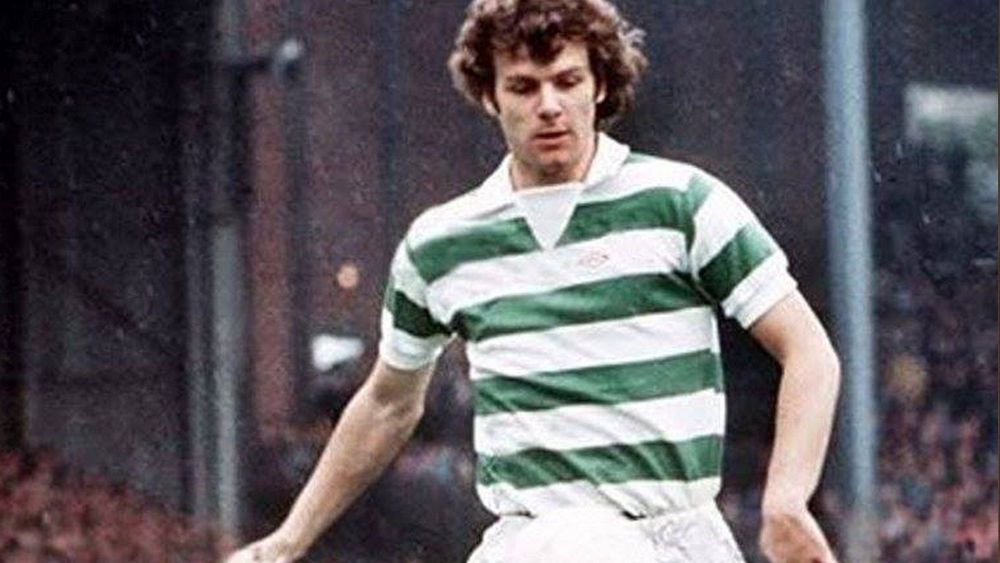
After leaving Rangers for Tottenham Hotspur in 1974, Conn returned to Glasgow three years later — but this time to sign for Celtic.
The move caused a sensation because Conn had been part of the Rangers side that won the European Cup Winners’ Cup in Barcelona in 1972 and had scored against Celtic in Rangers’ famous 3-2 Scottish Cup final victory over their rivals in May 1973.
By the time he crossed the divide, however, Conn had experienced both sides of the rivalry and understood exactly what it meant to supporters.
He also knew that the intensity could be extraordinary.
Years later, he would still be confronted by Rangers supporters over his decision to join Celtic, despite insisting that football remained football.
But when asked about the feeling of scoring that January winner in 1973, there was no ambiguity.
“It was fantastic feeling.”
Conn's description is perhaps the simplest explanation of the Old Firm's enduring power. Strip away the tactics, league tables and arguments and it comes down to one footballer's memory of the moment when the ball hit the net, the clock showed 90 minutes and tens of thousands of people knew their side had beaten the team they most wanted to beat.
For Conn, that was the feeling.
Pure elation. Pure emotion.
And, above all, one side having got one over the other.
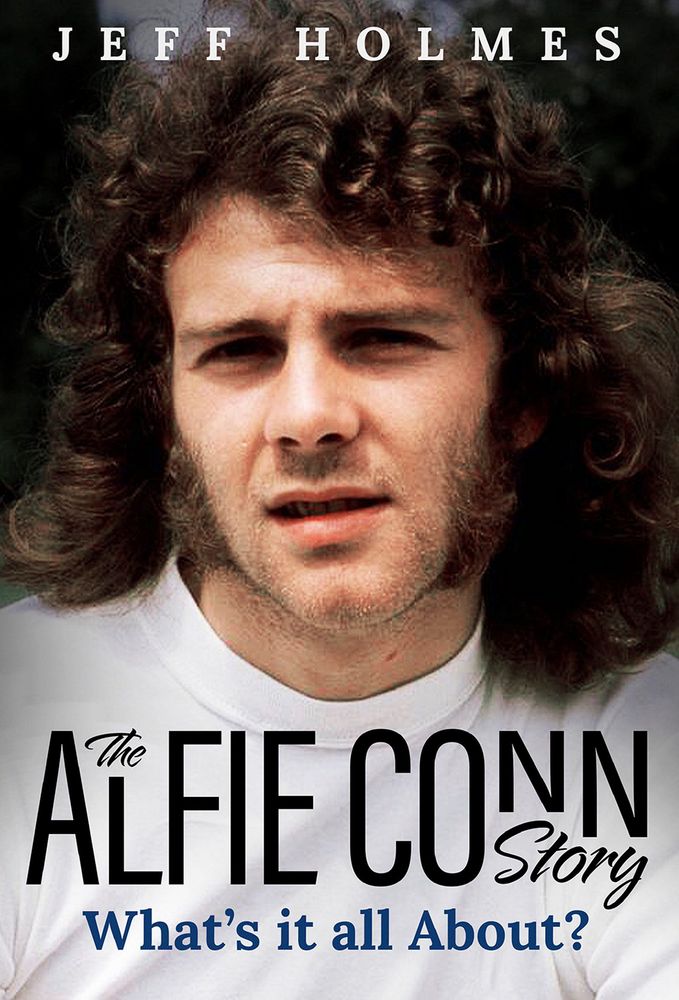
Alfie Conn's book "What's it all About? The Alfie Conn Story" is from Pitch Publishing - which is available here.