
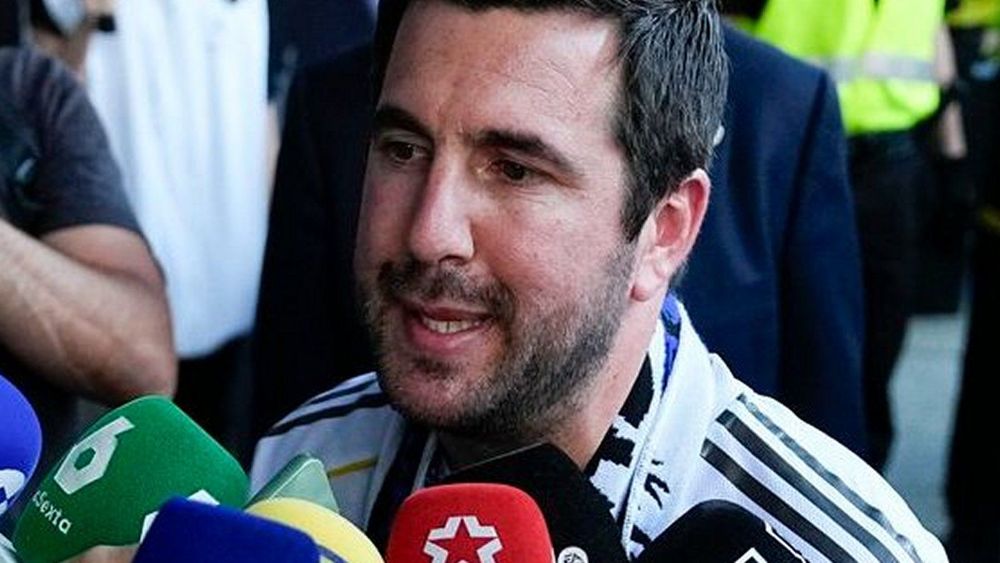
Speaking to EFE, the 37-year-old businessman and challenger to incumbent president Florentino Pérez said: "The refereeing decisions have, without doubt, harmed Real Madrid. With me as president, it would cost Barcelona quite a bit more to win than it does now."
Riquelme, whose candidacy was ratified by the club's electoral board last week, also outlined how he would handle internal squad issues — a subject that has generated considerable noise at the Bernabéu across recent seasons. His answer was structural rather than interventionist.
"If there is a structure, going down to the dressing room once is enough," he said.
On the sporting side, he confirmed his project will include a director of sport and a head coach with genuine authority. He described his preferred managerial profile as someone with "hierarchy" — not a short-term appointment or an experiment. He declined to name the candidate publicly, promising to reveal his sporting project from this Sunday onwards.
Riquelme also pledged to strengthen the women's team, saying any club that chooses to compete must do so properly. He expressed confidence in winning the election, telling reporters he backs himself "100 percent."
He traces his identity as a Madridista back to childhood — specifically to running through an airport to catch sight of Predrag Mijatović and Davor Šuker. Now 37, he is asking the club's 100,000 members to vote for a new generation of leadership.
The election on June 7 will be the first contested presidential vote at Real Madrid in 20 years. Pérez has held the presidency since 2000, with only a three-year absence between 2006 and 2009, and has been returned unopposed at every subsequent election.
Whether Riquelme's combination of institutional criticism and structural promises can persuade enough members to vote for change will become clear within days.