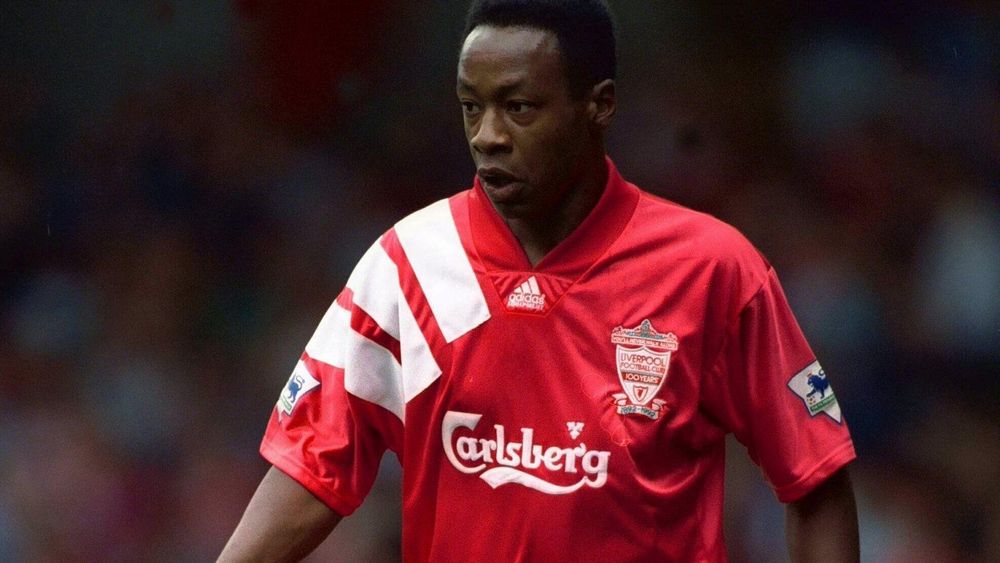
After winning trophies with Aston Villa and Rangers, Walters wanted another challenge in England and believed Liverpool offered the opportunity to compete at the top of the emerging Premier League. Souness, his former manager at Rangers, was a major part of the attraction.
“It was basically because of Graeme Souness's draw that I went. I mean, I'd been there three and a half seasons. We had problems with European competition and bits and pieces and it was just the right time to leave in my opinion,” Walters tells Football Presse.
With hindsight, however, Walters accepts that leaving Rangers came with a cost.
“Although, with hindsight, maybe I should've stayed a little bit longer. Because ironically the following year, Glasgow Rangers got to the semi-finals of the European Cup, which was the irony of that.”
It was still a move Walters does not regret. He had his reasons for leaving Rangers and believed Liverpool could help him fulfil the next ambitions of his career.
“It was a once in a lifetime move. I have no regrets of moving because it was a situation saying, ‘Mark, you need to do something to, A, to try and get into the England squad, and B, can you fulfil the other things in your career that you wanted to do?’ So at the time it was a good decision and I have to, obviously, I don't regret that at all.”
The problem was that Liverpool were changing quickly.
Souness had inherited a team that had won the league, but he was also bringing in a new generation, including Robbie Fowler and Steve McManaman. Walters felt the team needed time to develop, but Liverpool's results did not give them that luxury.
“Yeah, obviously, the team was in a transitional period. The team that won the league the year before, literally Graeme brought that team up, so it was a lot of new players coming in, the likes of Robbie Fowler, Steve McManaman, and he bought some other players as well.
“So it was a transitional team and possibly it needed time to gel, and in my opinion, that's the reason why we didn't hit the ground running. It took a bit of time. Unfortunately, in football you don't get time, so consequently, once we knocked out a couple of things, the management changed and then the club went in a different direction.”
Walters believes Liverpool compounded the problem by changing too much too quickly as the Premier League era began.
“I honestly believe it was just too many changes too quickly. I do believe if it was a gradual thing, because I always believe if you strengthen the squad when it's strong, as opposed to when you're trying and trial and error, it's difficult.
“Unfortunately, in my opinion, there was too many changes too quickly. Some of the lads didn't hit the ground running. Teams caught up as well, because you've got to remember, it was a new era now. The Premier League had just started.”
There was another problem, though, and Walters believes this was where Souness was particularly unfortunate.
At Rangers, Souness had possessed enormous authority. Liverpool was different, particularly because some of the players he was now managing had been his teammates.
Asked whether the Liverpool dressing room had been behind Souness in the same way Rangers had been, Walters was blunt.
“No. No, in my opinion, there wasn't behind the management. The manager had a kind of carte blanche situation at Rangers. He could do anything he wanted.
“Whereas at Liverpool, he was not only managing some good players, but he was managing some players that he'd actually played with when he was there as a player, and I think that caused a few problems.”
Walters believed the difference in attitude was significant.
“As if to say, ‘Well, if you don't want me to play me, then I'll go elsewhere.’ Whereas at Rangers, they loved the club that much, they wouldn't have left unless you actually literally beat them up and threw them out the club, you know?
“Whereas at Liverpool, if you wanted them to go, they'd go, and I think that was the problem he had.”
The same lack of discipline would later become part of the culture surrounding Liverpool's so-called Spice Boys.
Walters does not believe the label was entirely fair. The players worked hard, he says, and the tag became an easy explanation for Liverpool's failure to win the league. But he does believe some of the criticism had a basis.
“Slightly, yeah, because they did work hard. But as I said, unless you're winning, people are gonna criticize anything you say.”
For Walters, the greater issue was not the nickname itself but the standards that were allowed to develop around the team.
“I think the only criticism I can give it is Roy Evans letting it escalate to what it did do. You know, 'cause I believe, you know, we're working-class players, and when they were late, for instance, no one was getting fined.
“And I always say, you know, I don't know how much money you're getting, if you're getting fined for being late, you won't be late again.”
Instead, the reputation gathered momentum.
“But nothing like that happened, as I said, the Spice Boys reputation just gathered momentum.”
Walters remembers one particular detail that summed up the attitude for him: the stories about players passing notes between themselves during matches.
“But when I hear and read about them having little notes in their socks, and I can't remember what the note said, and passing it around each other, and then I heard that whoever was left with the note at the end of the match had to buy the rounds in, you know what I mean?”
For Walters, that went beyond harmless dressing-room humour.
“Those little things like that told me that they weren't taking things serious.”
Walters would score 13 goals in his best Liverpool season in 1992, but even that campaign did not represent the peak he felt was still ahead of him. Liverpool ultimately brought him an FA Cup, a League Cup and memorable individual moments, but not the Premier League title he had gone there expecting to challenge for.
Looking back, his regret is therefore less about joining Liverpool than about what Liverpool failed to become.
“Yes, as in winning things, for sure. Because when you go to Liverpool, unless you win the league, you're not classed as you've done anything. And that was a big disappointment for me.
“I obviously didn't expect things, you know, not to be challenging for the Premier League as it became, which is what I went there for.
“At Glasgow Rangers we were winning the league, we were doing well, or not as well as you should in Europe, but we're doing all right. So that was a slight problem for me.”
“Obviously I only won a League Cup and the FA Cup at Liverpool, which really should be standard at a club like Liverpool. The win at Liverpool is the league. That's where you get judged on, by winning the Premier League.”
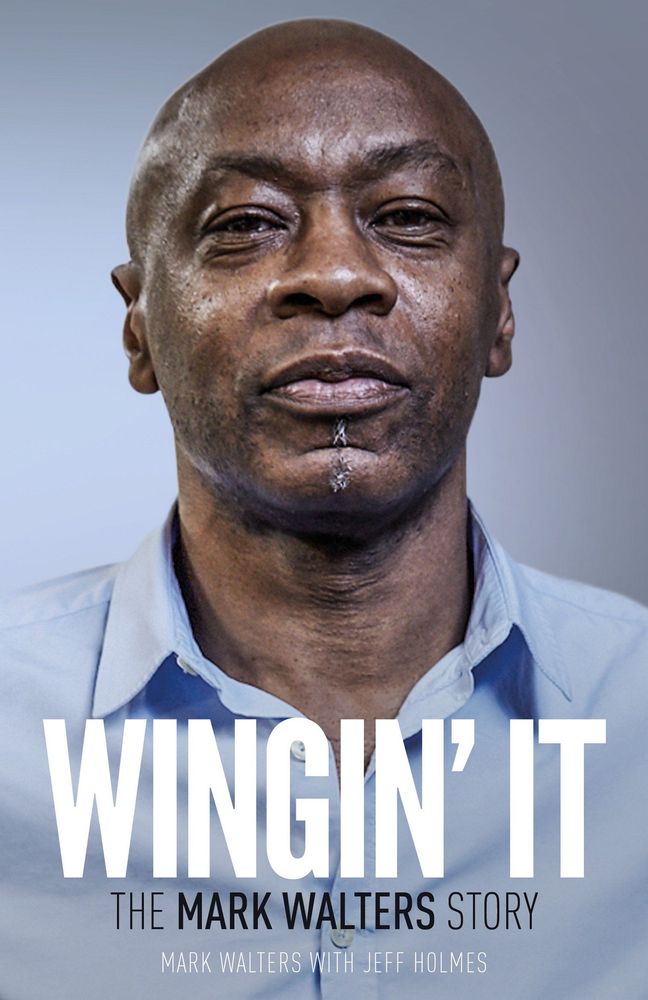
Mark Walters' book "Wingin' It: The Mark Walters Story" is from Pitch Publishing - which is available here.