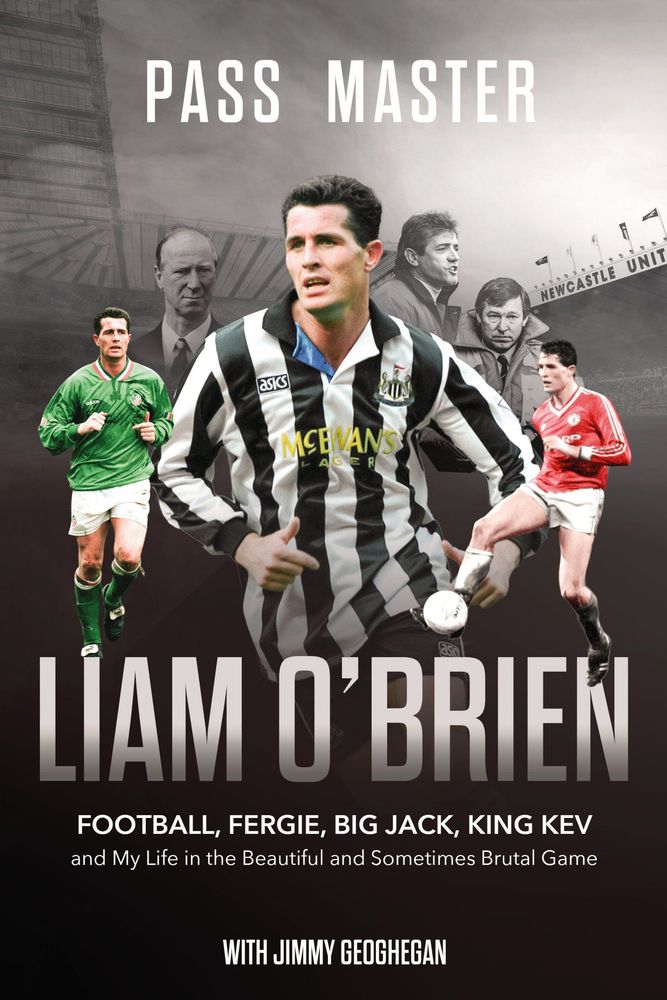
O'Brien contrasts today’s recruitment landscape with the era when Irish players were a far more visible presence in the pathway to United's first team.
O’Brien, who moved to Manchester United from Shamrock Rovers as a senior player after beginning his career in Ireland, experienced the Old Trafford system at a time when Irish football had a stronger footprint in elite English academies.
“When I was coming through at Manchester United, there was always an Irish presence somewhere in the system,” O’Brien told Football Presse. “It felt like there was a natural link between Irish football and United’s academy.”
He points to the historical example of players such as Kevin Moran and Paul McGrath, who famously made the jump from Irish football into the highest level at Old Trafford, as part of a broader tradition that once connected Ireland to the club.
“Those names weren’t just symbolic,” he said. “They showed there was a pathway. Irish players could come in, develop, and actually break into the first team.”
But O’Brien believes that pipeline has become increasingly rare in the modern game, where global scouting networks and early international recruitment have reshaped academy demographics.
“I honestly struggle to think of the last Irish youngster who came through the Manchester United academy and made a senior debut,” he said. “That tells you how much things have changed.”
While United continue to produce elite graduates such as Marcus Rashford, Kobbie Mainoo and Alejandro Garnacho, Irish representation at senior level has become far less visible. However, there are still Irish-eligible talents within the current academy structure, even if their development paths are more complex.
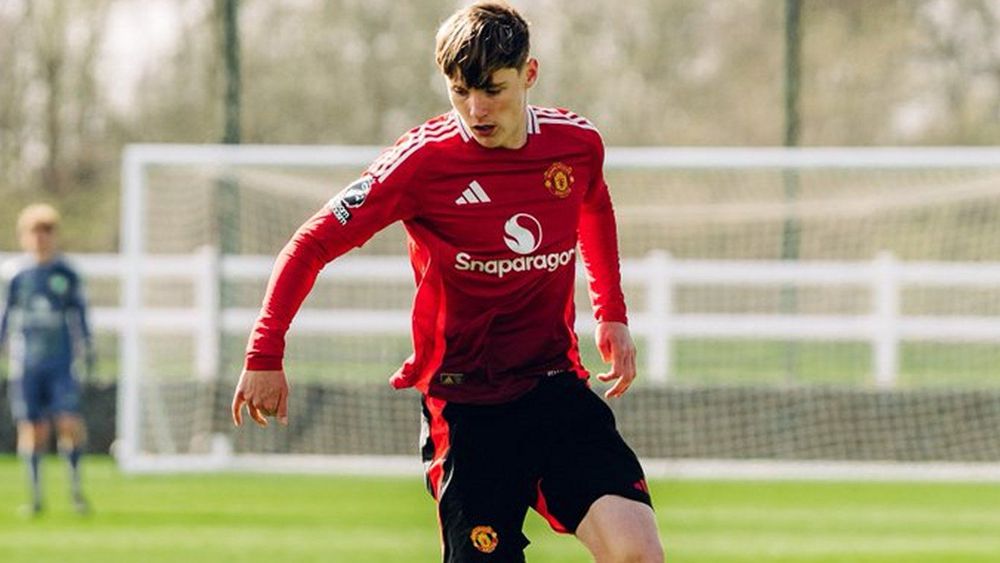
Jack Moorhouse, currently developing in United’s midfield ranks, has represented the Republic of Ireland at youth level, while Jacob Devaney—another highly rated midfielder—has committed to Ireland despite being born in England and progressing through the English youth system.
Both are seen internally as long-term development projects rather than immediate first-team breakthroughs, highlighting how Irish talent now often arrives through dual-national pathways rather than traditional domestic scouting routes.
“That’s the modern game,” O’Brien said. “A lot of these players are Irish-qualified rather than coming directly from Ireland. It’s a different route entirely.”
He also referenced how earlier generations of Irish players were identified later in their development cycle, whereas today’s academies recruit globally at increasingly younger ages.
“Everything is international now,” he added. “Clubs are recruiting kids from everywhere by 12 or 13. It’s not like before where you might come in a bit later and develop into it.”
Despite the shift, O’Brien insists the emotional connection between Irish supporters and Manchester United remains strong, even if the academy pipeline has weakened.
“The support in Ireland for Manchester United hasn’t changed,” he said. “But people do notice when there aren’t Irish players coming through like there used to be.”
For O’Brien, the issue is not nostalgia but structural change in football development systems.
“It’s just different now,” he said. “The pathway I came through doesn’t really exist in the same way. You can still make it, but the route is far more complicated.”