
Noah Okafor scored twice, with Dominic Calvert-Lewin converting a penalty and Brenden Aaronson adding a late fourth after Emmanuel Emegha had put Chelsea ahead. The result gave Leeds United their first win at Stamford Bridge this century.
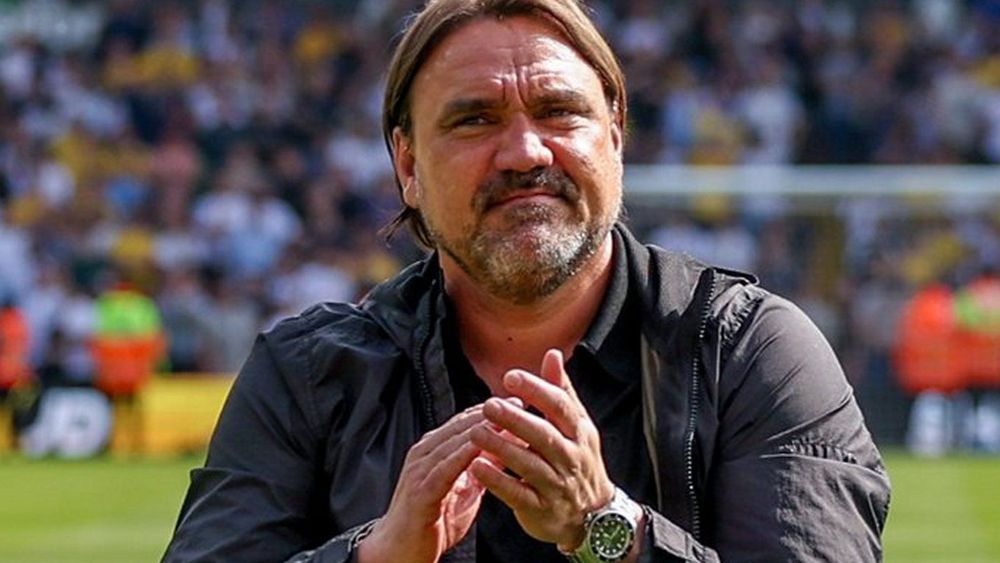
“Great result,” Farke said. “I think the first win at Stamford Bridge for us as a club in this century, says it all about where it ranks in the history books. Great performance. I would have been disappointed with a draw today, I was a bit at half-time. I thought we were the better side, dominated this game, made sure our plan worked.”
The Leeds manager was particularly pleased with the response after Emegha’s opener, which was quickly cancelled out by Okafor.
“We wanted to press them high, so they can't show their world-class potential. I still think Chelsea played with intensity, they had higher physical intensity than their last games. You can concede out of bad luck, like we did, because they have the quality in one moment to score. But what I liked a lot is we showed our mentality, were not bothered and did not doubt. Great reaction to equalise.”
Farke made clear that his half-time message was not to protect the point but to take advantage of the opportunities he believed were available.
“We spoke about how we could create even more chances. Overall we gave them many plaudits for the first half and recommended to go for the win and not sit back,” he said.
“The boys came out flying and it seemed like they listened. Some great team moves and chances and we were clinical. Perhaps even could have scored a few more.”
Chelsea manager Xabi Alonso admitted his team had lost their belief after Leeds equalised, describing his players as mentally fragile when faced with a setback.
“Until then we were doing okay, I think that we were creating, playing a lot on the pitch, we were coming out for the pressure, but from that moment they started believing and we started not believing,” Alonso said.
“We were not able to come from the pressure and we didn't get close to the goal so it completely changed it.”
Alonso insisted the problem was collective rather than a matter of individual players letting him down, but acknowledged that Chelsea needed to become tougher when matches turned against them.
“I feel that we do that as a team, as a collective, that together we need to support each other, together we need to find solutions to do better,” he said.
The Chelsea manager also rejected the suggestion that physicality alone explained the defeat, arguing that his side had to improve their decision-making and ability to progress the ball under pressure.